
I used to think lacing was just about keeping shoes on—until I walked into a sneaker store and saw a wall of perfectly laced pairs. Some looked sleek, others sporty, and a few were so intricate they felt like artwork. That’s when I realized: laces do more than hold shoes together—they shape their style, comfort, and fit.
Since then, I’ve tested countless lacing techniques, working with brands that use them to elevate their footwear. I know what works—and what doesn’t.
This guide covers 51 lacing styles that enhance support, add flair, and make shoes stand out. Whether you want better comfort, a bold look, or an edge for your business, you’ll find the perfect technique here.
So let’s get down to it!
1. Criss-Cross Lacing
This is the most common way to lace shoes and boots. The laces cross over each other as they move up through the eyelets, creating a secure and even fit.
I remember struggling with loose laces as a kid. No matter how tight I tied them, they kept slipping. My mom showed me criss-cross lacing, and suddenly, my shoes stayed snug without cutting into my feet. It was simple, and it worked—so I never stopped using it.
If you want a classic, functional lacing style, criss-cross lacing is a great choice. It’s quick, adjustable, and works for almost any shoe.

2. Over-Under Lacing
Struggling with tight, stiff laces? Over-under lacing makes adjustments smoother and reduces wear on your laces.
Instead of criss-crossing the same way, this method alternates—going over one eyelet, then under the next. This small tweak reduces friction, making it easier to tighten and loosen your shoes.
If you want easier adjustments and longer-lasting laces, this method is worth a try—especially for boots and performance shoes.
3. Gap Lacing
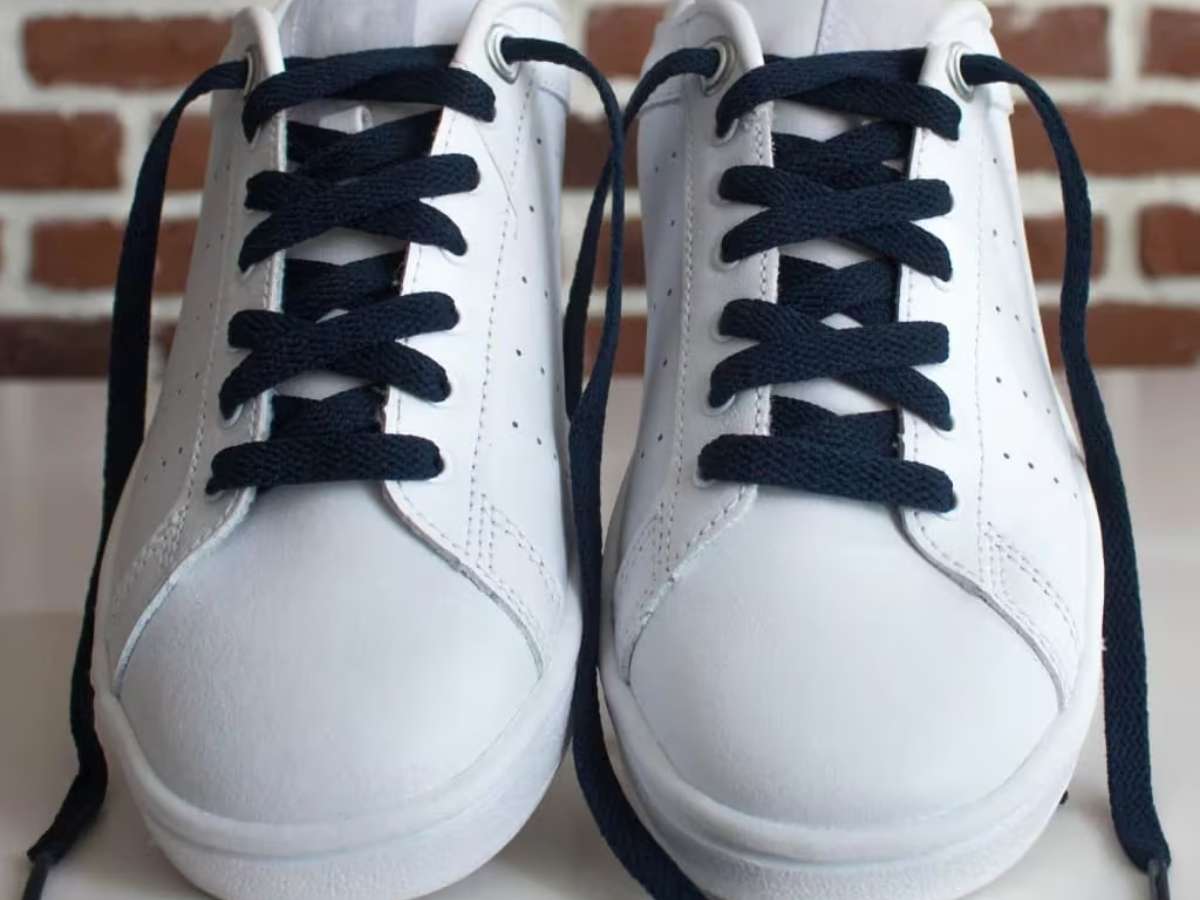
If your shoes press too hard on certain areas, gap lacing can help. This method is a variation of criss-cross lacing but skips a crossover at a specific point, creating an open space.
This gap relieves pressure on sensitive areas like a high instep or allows for better ankle flexibility. It’s especially useful for customers who experience discomfort in standard lacing patterns.
For businesses, offering gap lacing as a customization option can improve customer satisfaction, making shoes more comfortable for different foot shapes and needs. It’s a simple adjustment with a big impact on wearability.
4. Straight European Lacing
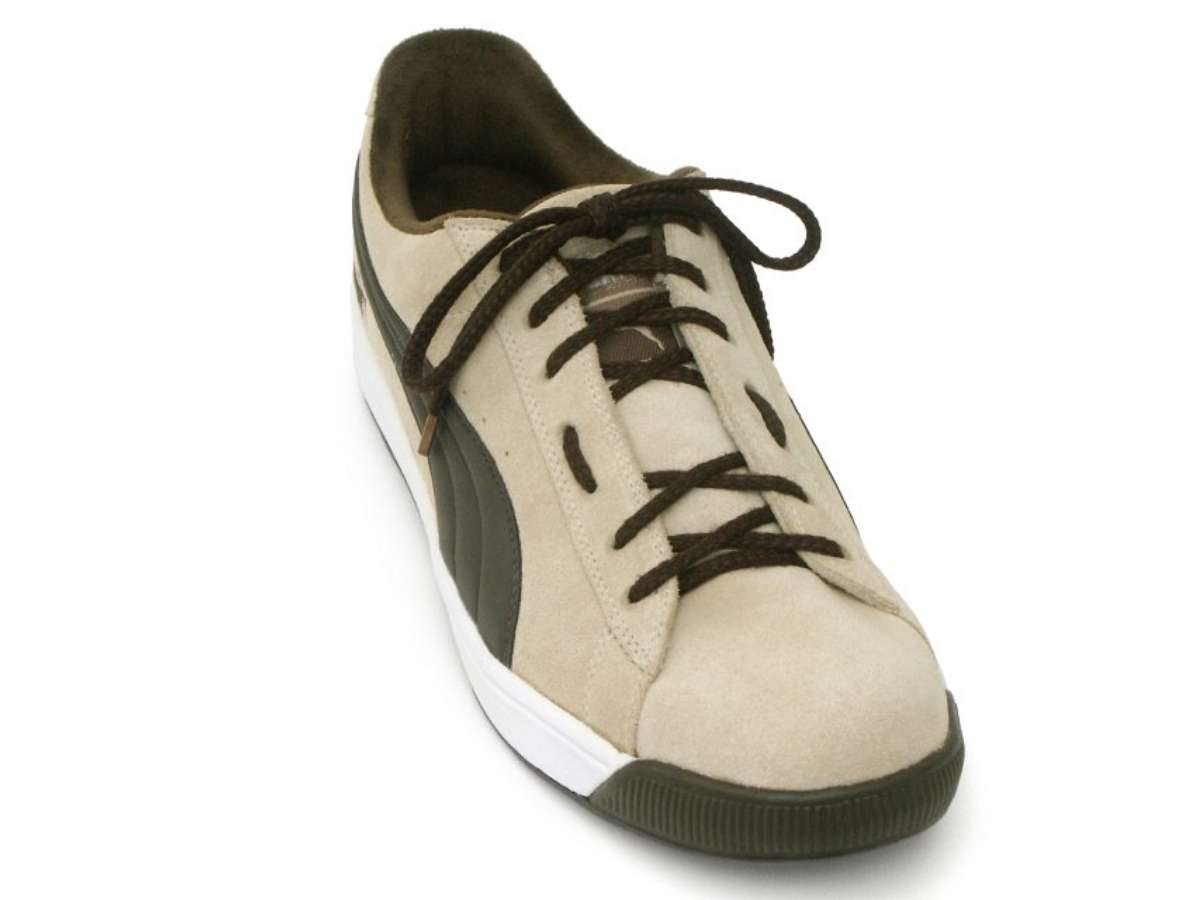
For a clean, professional look, Straight European Lacing is a preferred choice, especially in formal and dressed shoes. The laces run straight across on the outside, while threading diagonally on the inside, creating a sleek, symmetrical appearance.
This method is widely used in Europe, particularly in luxury and business footwear, as it enhances product presentation while maintaining an even, comfortable fit.
For brands, retailers, and e-commerce stores, this lacing technique can elevate product displays, making shoes appear more refined and structured—key factors in influencing customer perception and purchase decisions.
5. Straight Bar Lacing
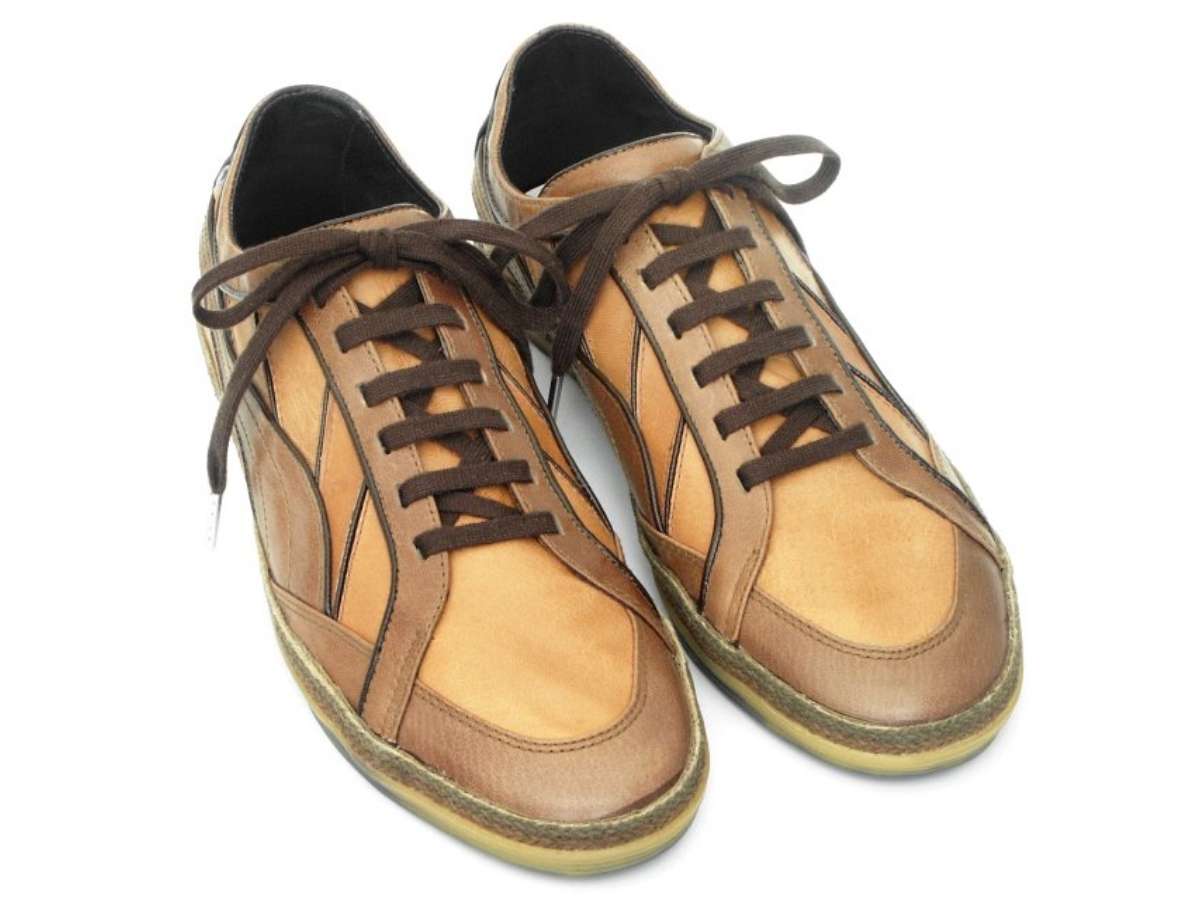
Also known as Lydiard Lacing or Fashion Lacing, this method creates a clean, symmetrical look by keeping the laces straight across the shoe, without visible diagonal patterns underneath.
This design isn’t just about style—it also reduces pressure on the top of the foot, making it a great option for customers who experience discomfort with traditional lacing. By distributing tension evenly, Straight Bar Lacing provides a more comfortable fit, especially for dress shoes and lifestyle sneakers.
For businesses, using this lacing technique in product displays or marketing materials can enhance a shoe’s visual appeal. It creates a sleek, organized presentation, helping footwear stand out in retail settings and online stores.
6. Straight Easy Lacing
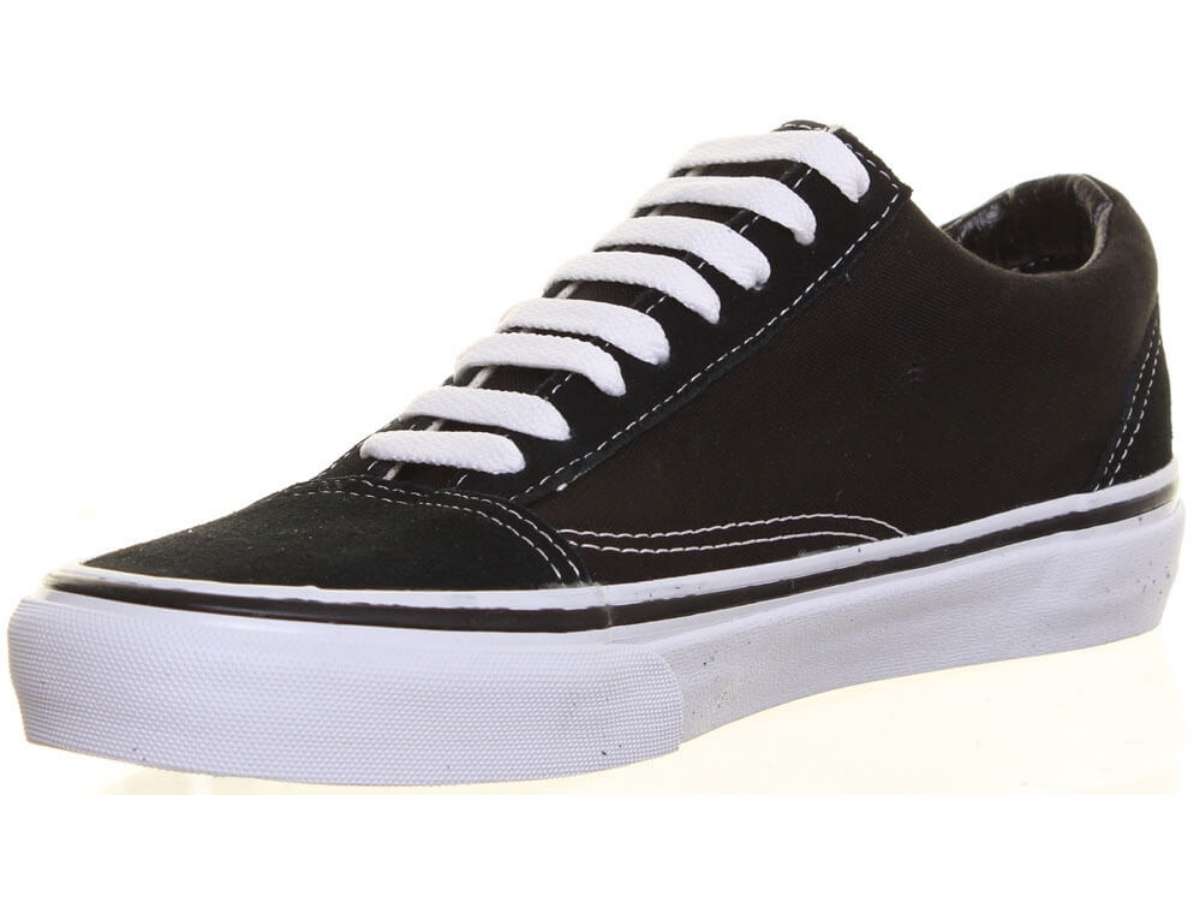
If you need a quick, efficient lacing method, Straight Easy Lacing is a great option. It’s a simplified version of Straight Bar Lacing, where one lace runs straight from bottom to top, while the other weaves through each eyelet.
This method creates a clean, professional look while making it easier to tighten or loosen shoes. It’s especially useful if your customers need a more comfortable fit, particularly those with high insteps or sensitive feet.
For your business, showcasing this technique can highlight ease of use and modern styling. Whether you’re displaying footwear in-store, creating instructional content, or selling to customers who value both function and aesthetics, Straight Easy Lacing delivers on both style and practicality.
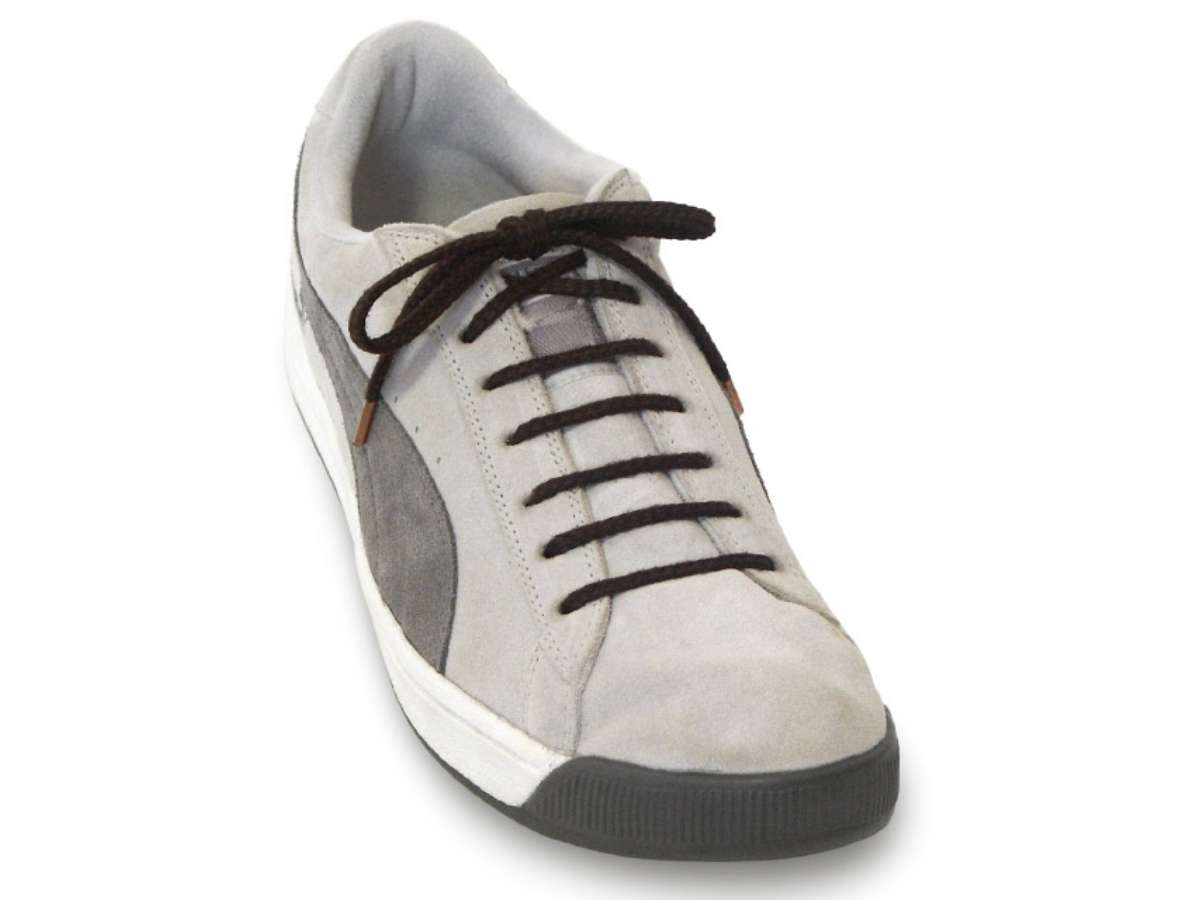
7. Hiking/Biking Lacing
If you need a lacing method that reduces pressure and stays out of the way, Hiking/Biking Lacing is a smart choice. It’s an inside-out version of Straight Bar Lacing, designed to keep knots and lace ends to the side instead of the center.
This setup helps prevent snagging on undergrowth, bike chains, or cranks, making it ideal for hikers and cyclists. It also distributes tension evenly, reducing pressure on the top of your foot for better comfort on long rides or hikes.
If you want a lacing style that improves both fit and function, this method is worth trying.
8. Quick Tight Lacing
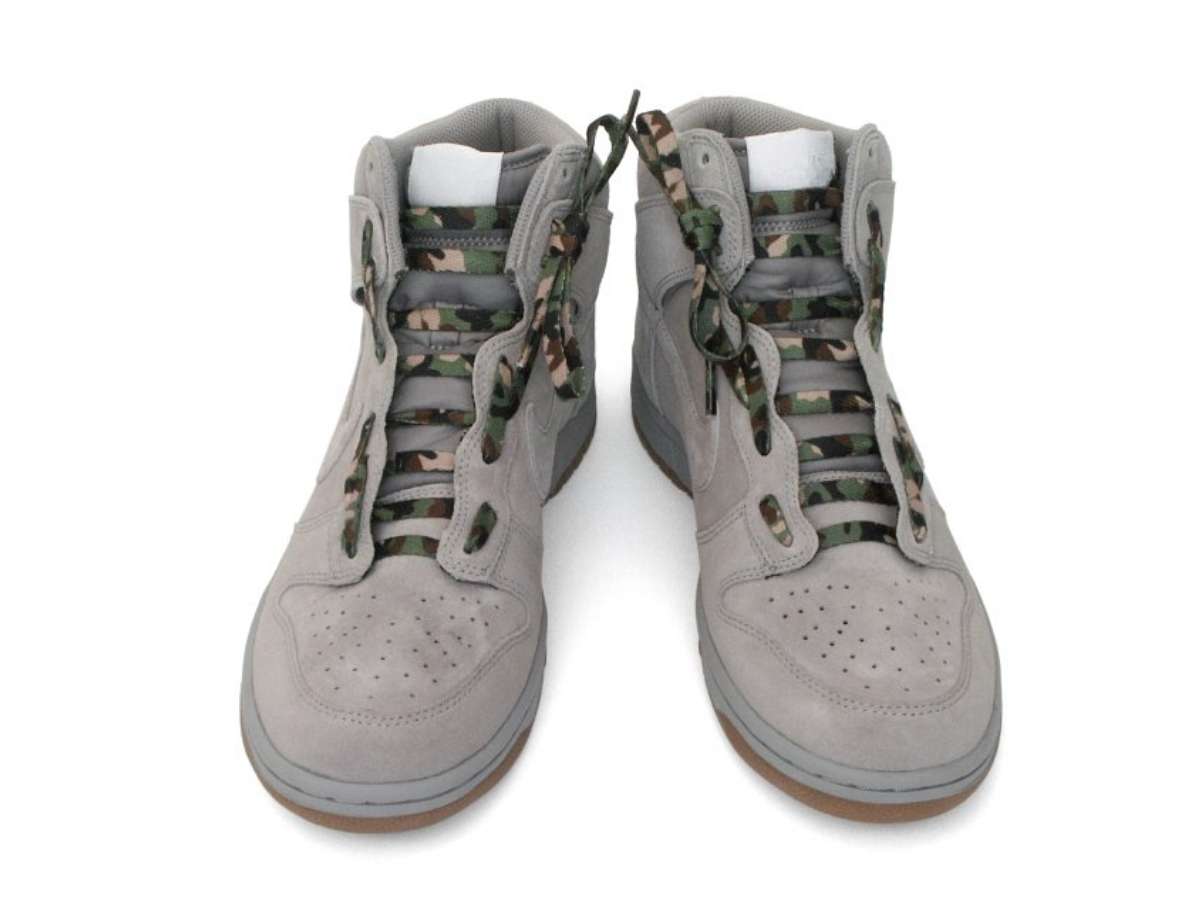
Need a faster way to tighten your shoes? Quick Tight Lacing splits the laces into two sections, so you can adjust the top and bottom separately.
Pull one end to tighten the top section. Pull the other to tighten the bottom.
This method helps create a secure, even fit with less effort. It’s great for athletic shoes, work boots, and any footwear that needs quick adjustments.
If you want better control and faster lacing, this is a simple and effective option.
9. Gippo Lacing
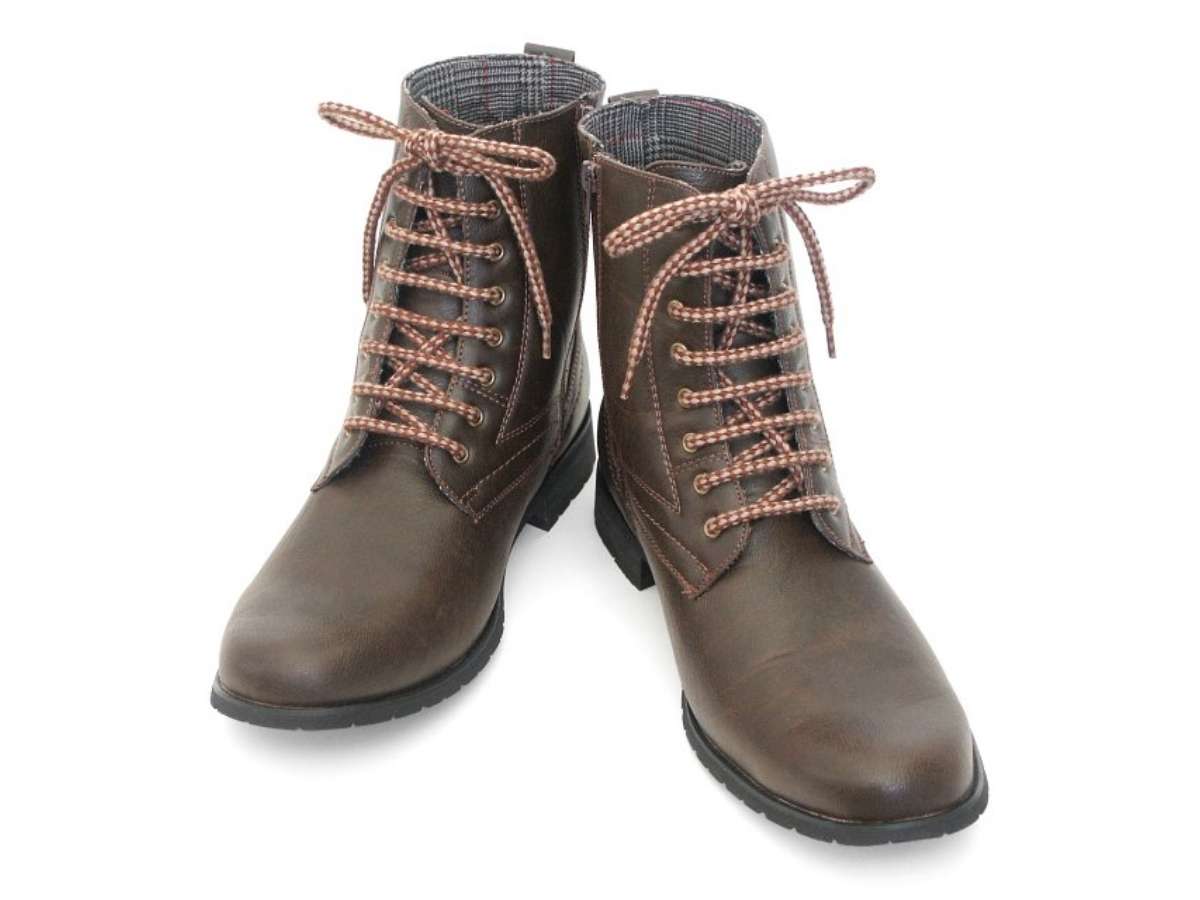
If you wear tall boots and need both strong support and quick adjustments, Gippo Lacing is a great option. It combines elements of Quick Tight Lacing and Corset Lacing, allowing you to tighten different sections separately while keeping a firm hold at the top.
The lower part tightens independently, giving you control over the fit around your foot. The upper section uses closed loops that pull together like a corset, making it easier to secure around your ankle and calf. This method works well for work boots, hiking boots, and other tall footwear that require both flexibility and stability.
10. Ukrainian Lacing
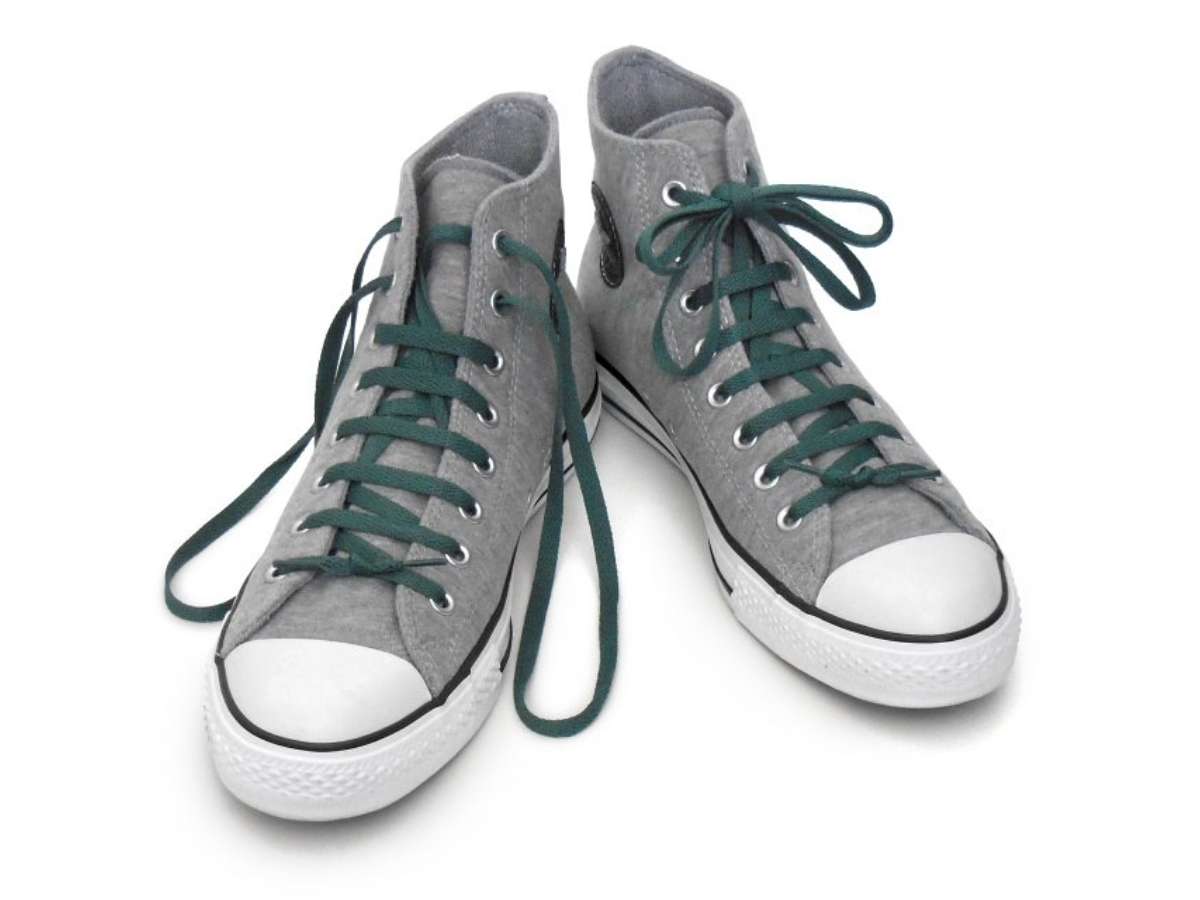
Tired of re-tying your laces? Ukrainian Lacing keeps them secure with anchored loose ends and a captive starting knot, so you don’t have to redo the first knot every time.
This method holds tension well while allowing quick adjustments, making it great for work shoes, boots, and athletic footwear.
If you need a time-saving, secure lacing technique, this one is a solid choice.

11. Corset Lacing
Designed after traditional corsets, Corset Lacing creates middle loops that make tightening easier. It provides a firm, structured fit, ideal for boots that need extra support.
This method is often used in fashion, work, and hiking boots. It holds tension well, making adjustments simple while keeping the laces secure. The polished, sleek look also adds a distinct style.
For those wanting a combination of function and aesthetics, Corset Lacing delivers both.
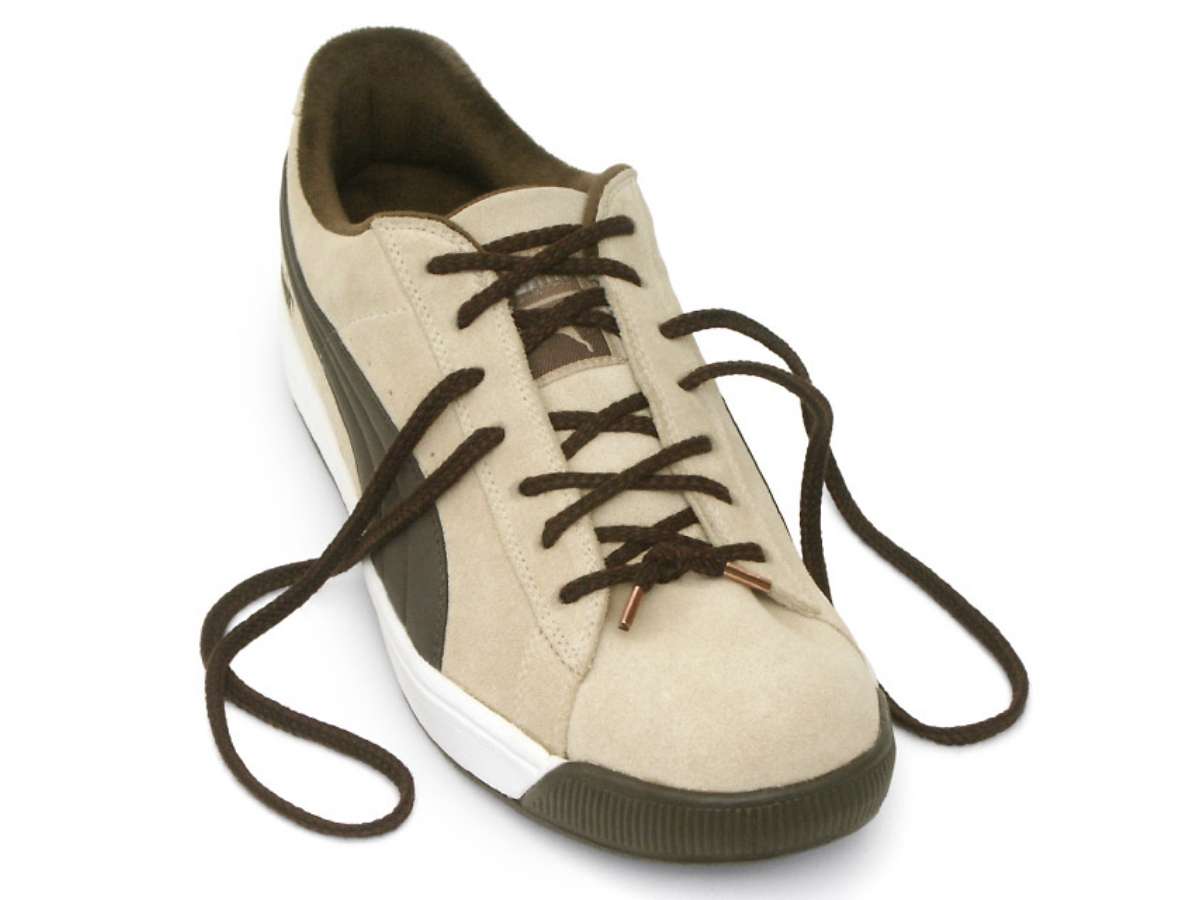
12. Sawtooth Lacing
An uneven fit can make shoes uncomfortable, but Sawtooth Lacing helps adjust the shape by shifting the way the sides pull together. This method angles the underlying sections steeply, slightly altering the alignment of the shoe for a more customized fit.
It’s especially useful for shoes that feel too loose or tight in certain areas. By redistributing tension, it helps improve comfort without needing inserts or modifications.
I once had a pair of leather shoes that felt too stiff on one side. Regular lacing didn’t help, but switching to Sawtooth Lacing created just enough flexibility to make them wearable.
For anyone dealing with shoes that don’t quite fit right, this technique is a simple but effective fix.
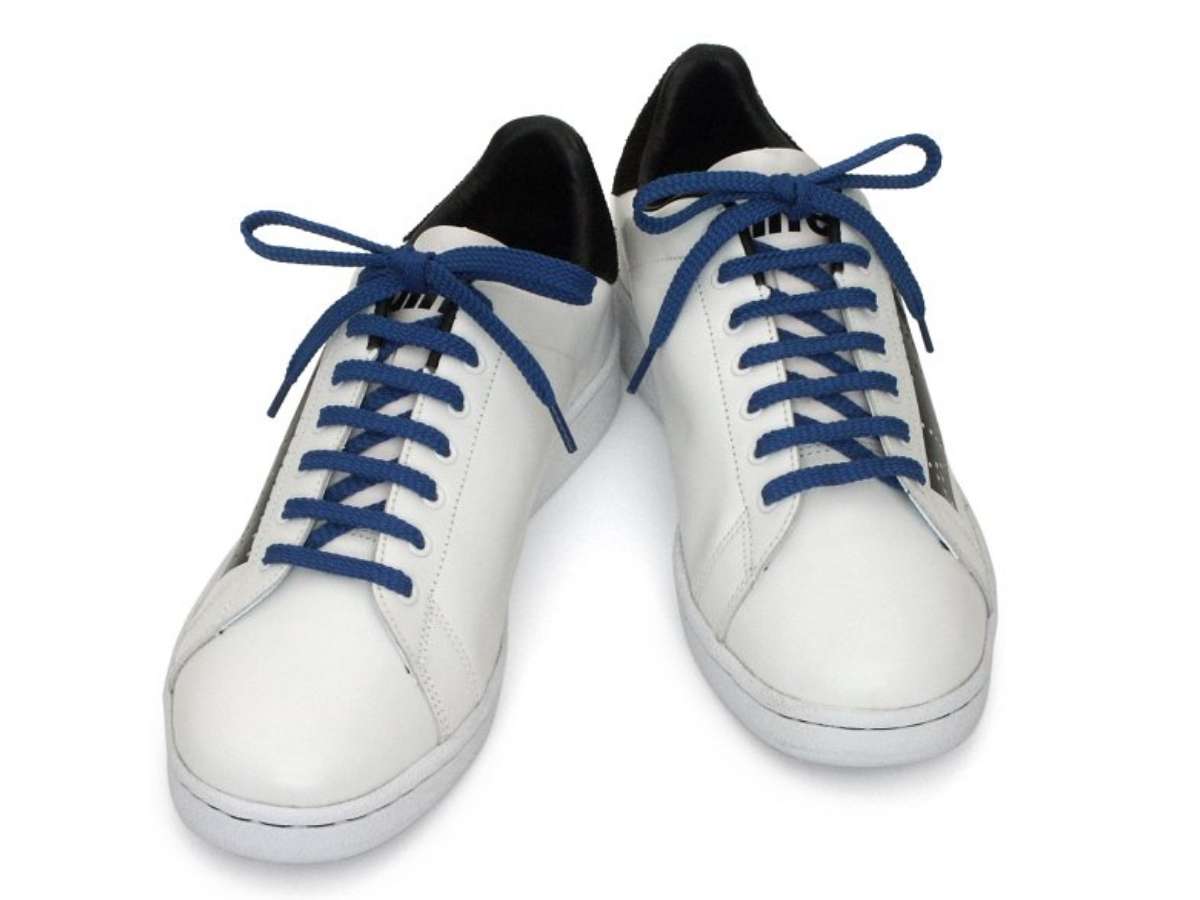
13. Lightning Lacing
Lightning Lacing gets its name from both its zigzag shape and fast lacing process. The laces run diagonally on the outside and vertically on the inside, creating a sharp, dynamic look.
This method allows for quick tightening while keeping tension even. The vertical sections help distribute pressure smoothly, making it a practical choice for sneakers, athletic shoes, and boots.
For those wanting a stylish and efficient lacing technique, Lightning Lacing offers both speed and function.

14. Shoe Shop Lacing
Shoe Shop Lacing is the method most shoes come pre-laced with straight from the factory. It’s designed to look neat on display while keeping the laces flat and even.
One lace runs straight from bottom to top, while the other zigzags through the eyelets, creating a balanced and symmetrical look. Though it’s not the most secure option for everyday wear, it’s a great way to present shoes in a clean, organized way.
For those who want a display-ready look or need to quickly lace up a new pair, Shoe Shop Lacing is a simple and effective choice.
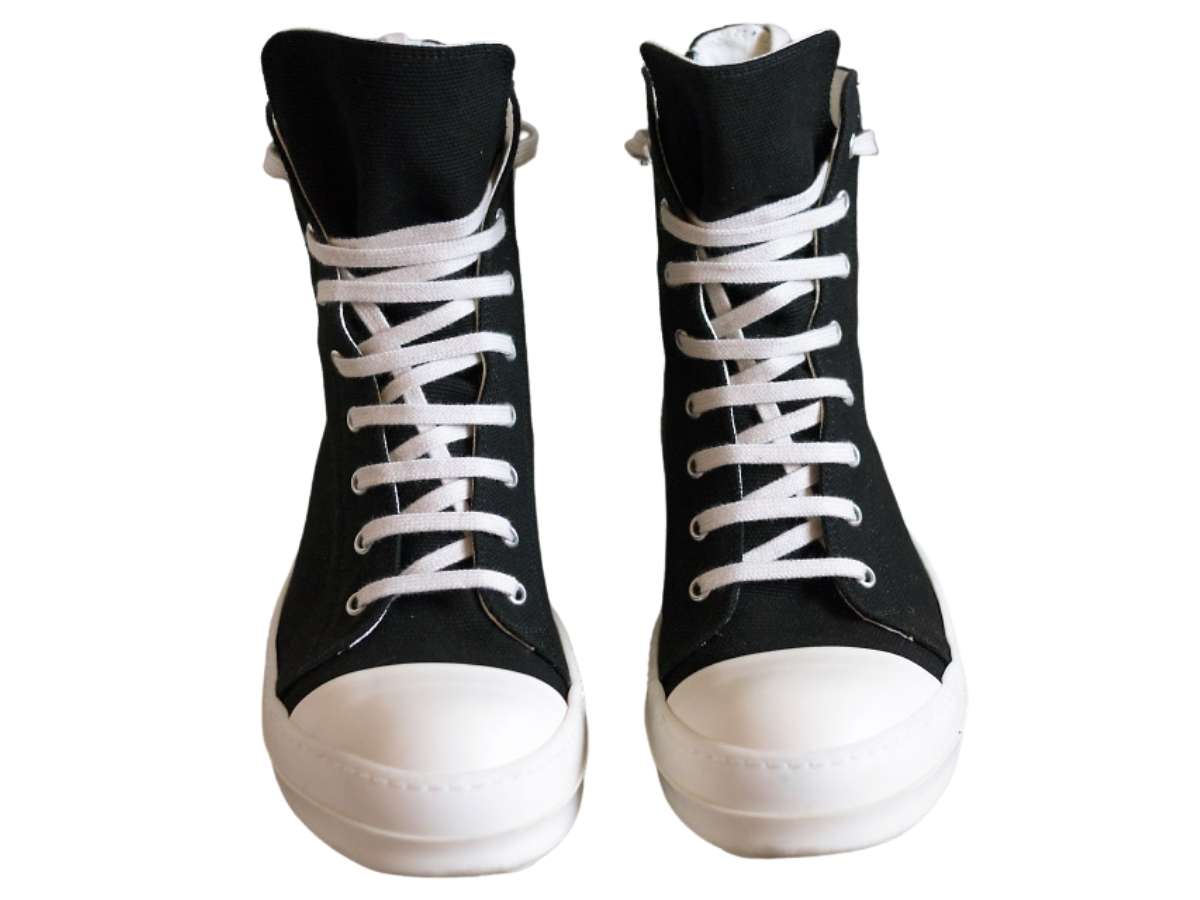
15. Display Shoe Lacing
Ever wondered why shoes in stores look so perfect? That’s Display Shoe Lacing at work. It’s an inside-out version of Criss-Cross Lacing, designed to keep the lace ends hidden inside the shoe, creating a clean, polished look.
This method isn’t about function—it’s about presentation. It makes shoes look structured and sleek, which is why it’s a favorite for store displays and product photography. While it’s not the best for everyday wear, it’s perfect when you want your shoes to stand out without messy laces getting in the way.
For anyone showcasing footwear—whether in a store, online, or in a photoshoot—Display Shoe Lacing helps create a professional, eye-catching finish.
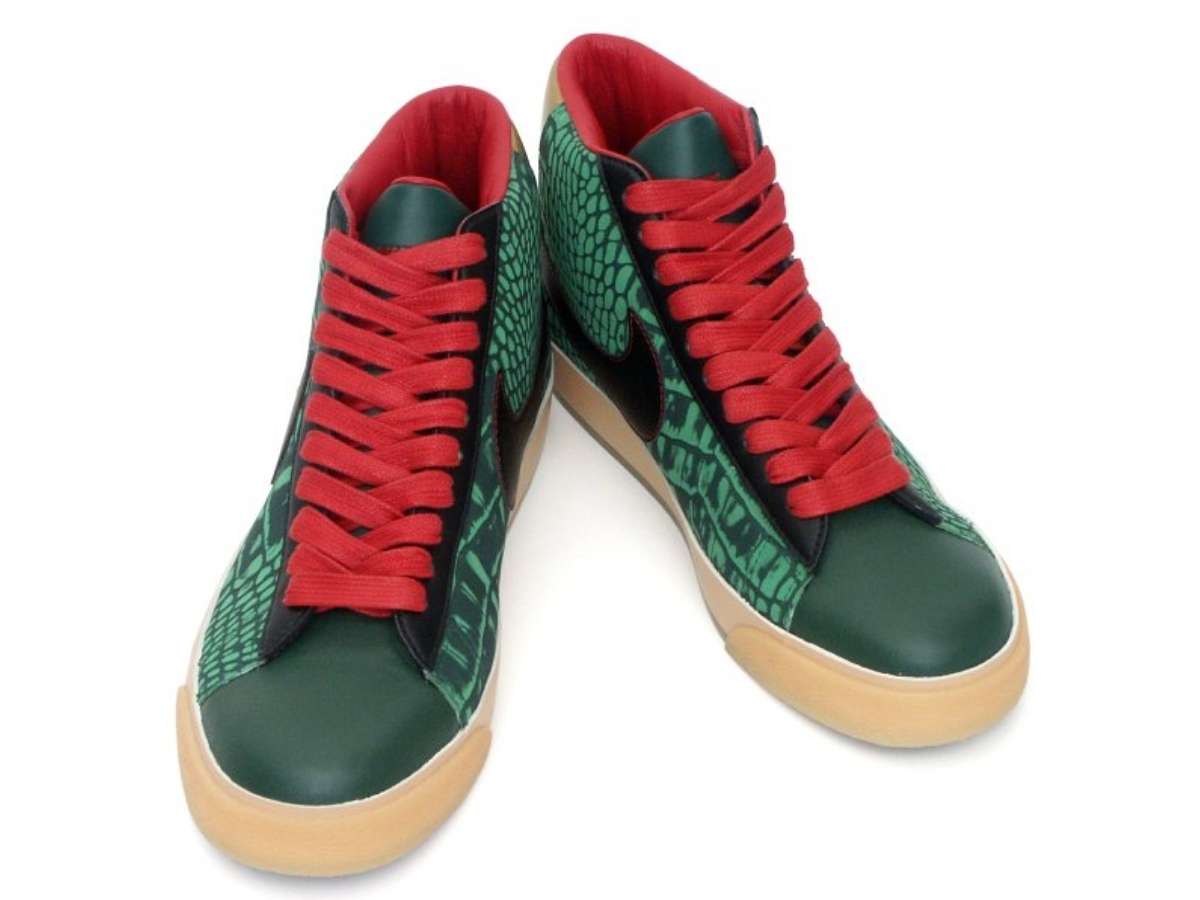
16. Chevron Lacing
Chevron Lacing combines elements of Criss-Cross Lacing and Display Shoe Lacing, creating a pattern of upright and inverted chevrons (∧, ∨). This style mimics the insignia seen on military and police uniforms, giving shoes a sharp, structured appearance.
More than just a design choice, this method offers a snug fit with an eye-catching look. It works well for dress shoes, boots, and statement sneakers, adding a bold visual element while keeping the laces evenly tightened.
If you want a lacing style that’s both functional and stylish, Chevron Lacing is a great option. It delivers a clean, precise look while keeping your shoes secure and comfortable.
17. Ladder Lacing
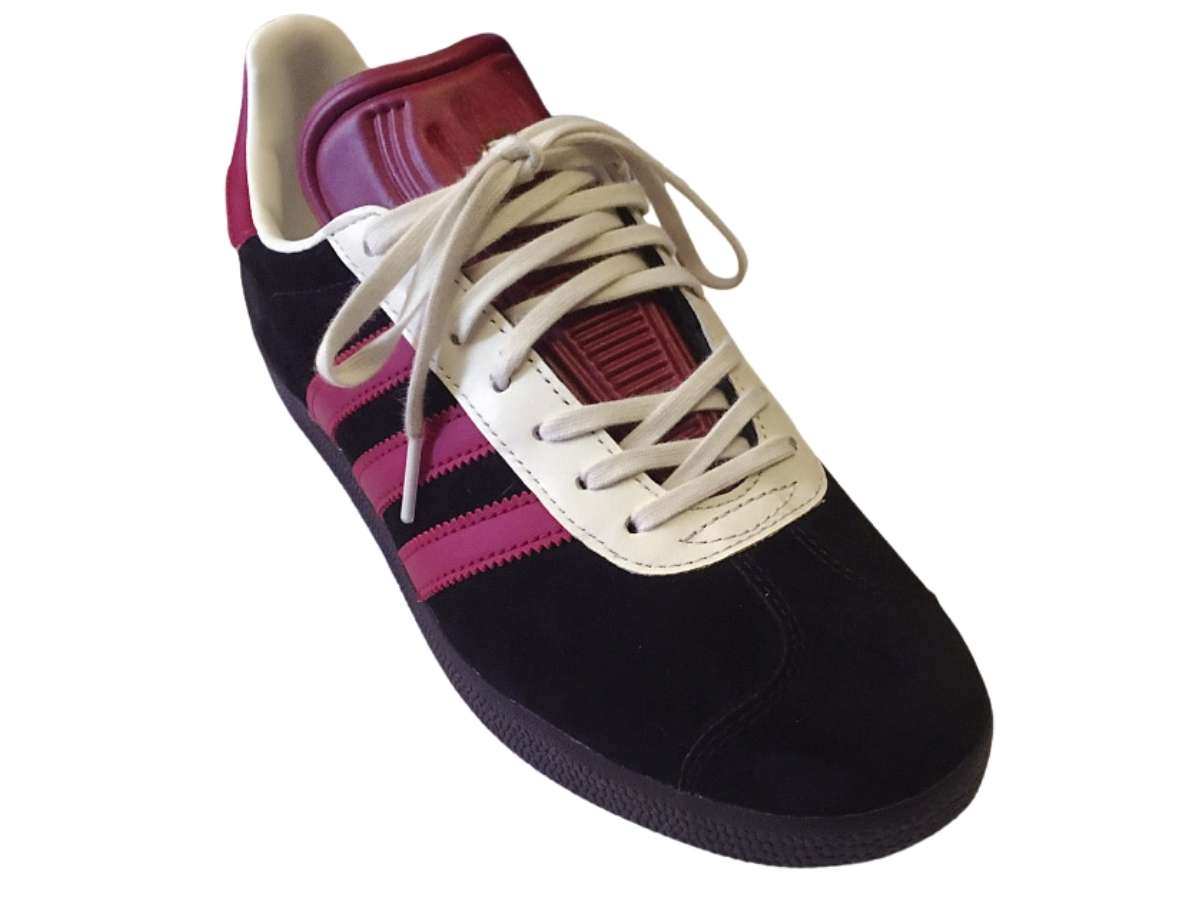
Ladder Lacing is known for its strong, structured hold, making it a favorite for military boots, paratroopers, and ceremonial guard units. The laces weave horizontally and vertically, forming a pattern that looks like a ladder.
This method isn’t just about appearance—it locks the laces in place, preventing them from loosening under strain. That’s why it’s commonly used in combat boots and high-performance footwear where stability is key.
If you need a tight, secure fit that stays in place, Ladder Lacing is a solid choice. It takes more time to lace up, but the extra durability and structure make it worth it.
18. Spider Web Lacing
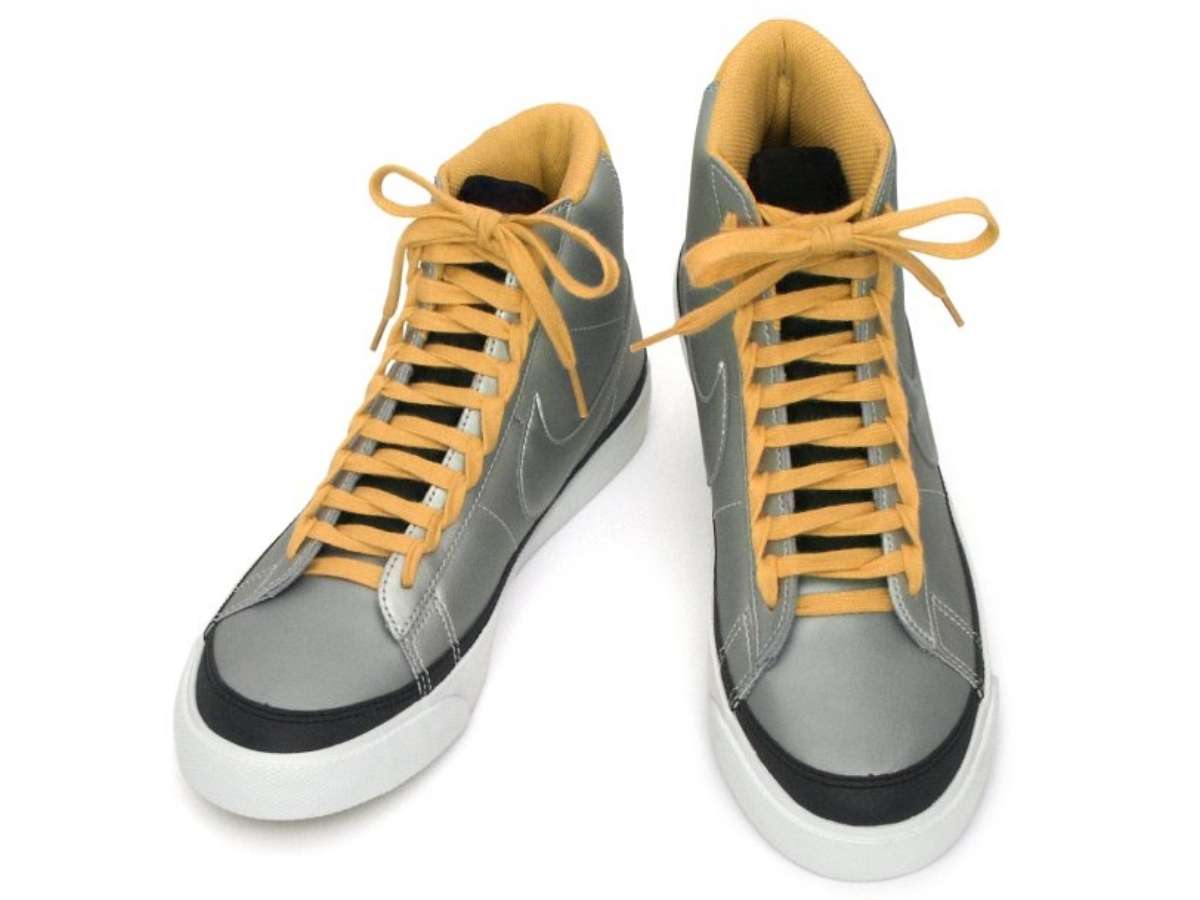
Spider Web Lacing creates a woven, intricate pattern, wrapping the shoe in a tight, interlocking grip. The laces twist diagonally and vertically, forming a web-like design that feels as secure as it looks.
Commonly seen on military boots, this method locks the foot in place, preventing shifting or loosening. The tension holds firm, giving each step a sense of stability and control. Though it takes time to lace, the result is a visually striking, rock-solid fit built for endurance.
19. Double Back Lacing
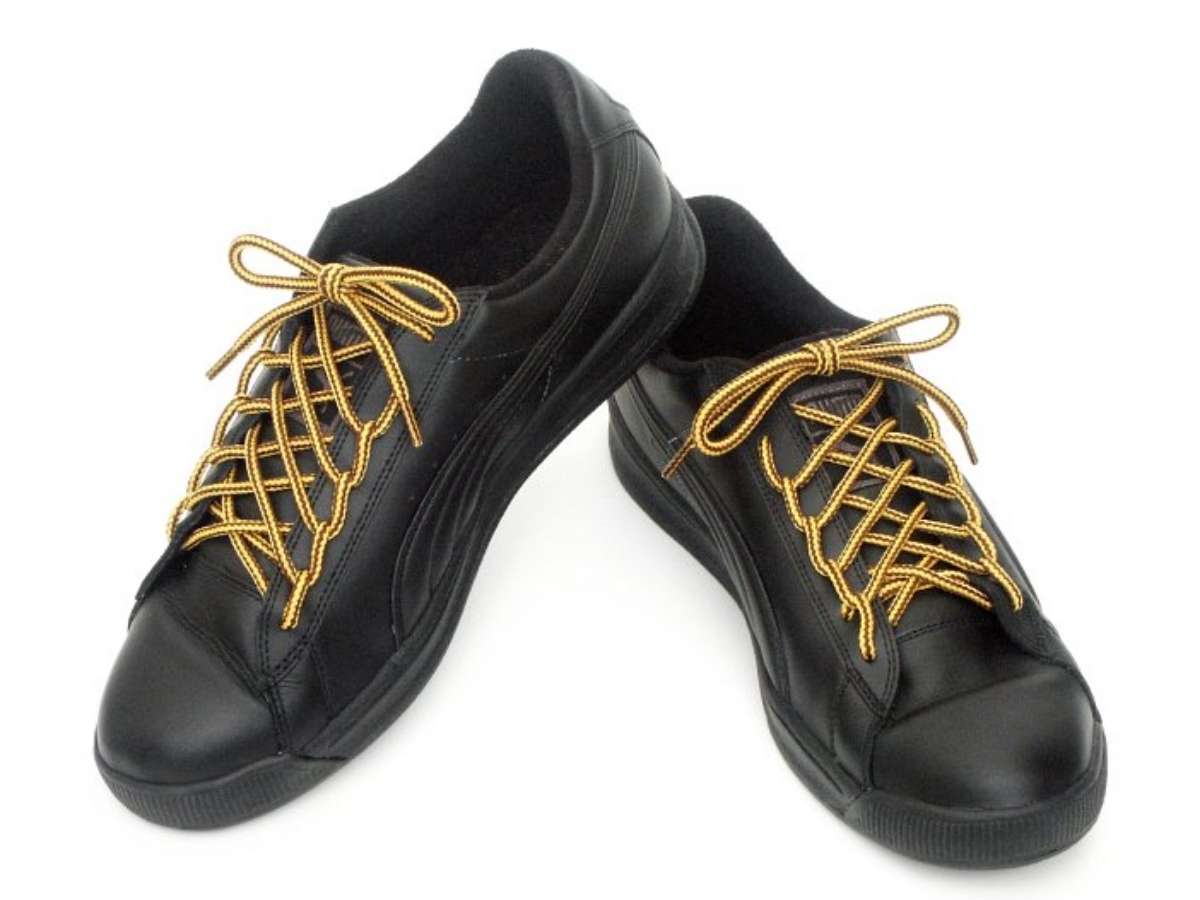
Double Back Lacing is as unique as it is stubbornly secure. Instead of following the usual upward path, the laces first run down the shoe, then double back up, creating a pattern that looks as complex as it feels.
This method locks the laces firmly in place, preventing them from loosening even under pressure. The tight weave gives the foot a locked-in feel, making it useful for boots or high-performance footwear that require extra stability.
However, adjusting this lacing can be a challenge. The overlapping sections make it awkward to tighten, so it’s best suited for those who prioritize a firm, structured hold over quick adjustments. If security is the goal, Double Back Lacing delivers a grip that won’t budge.
20. Bow Tie Lacing
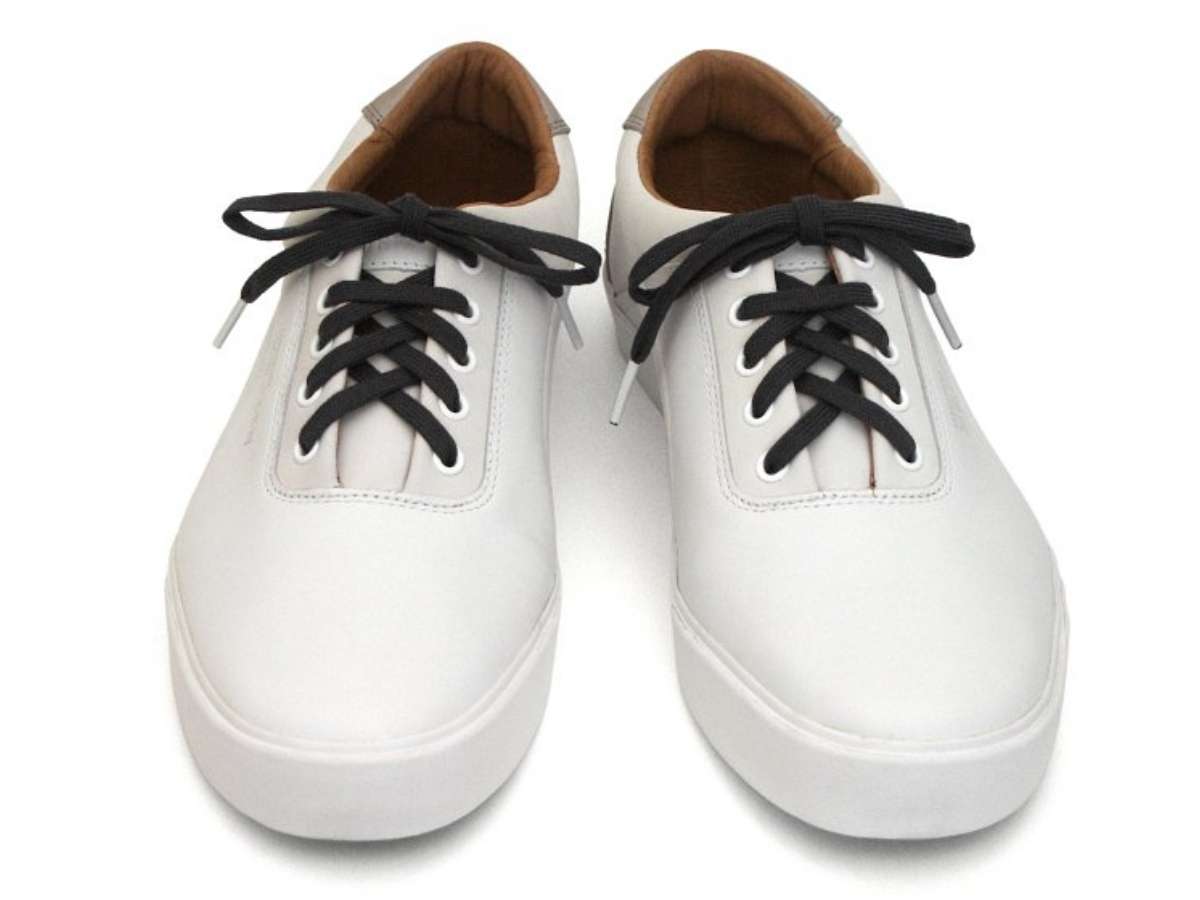
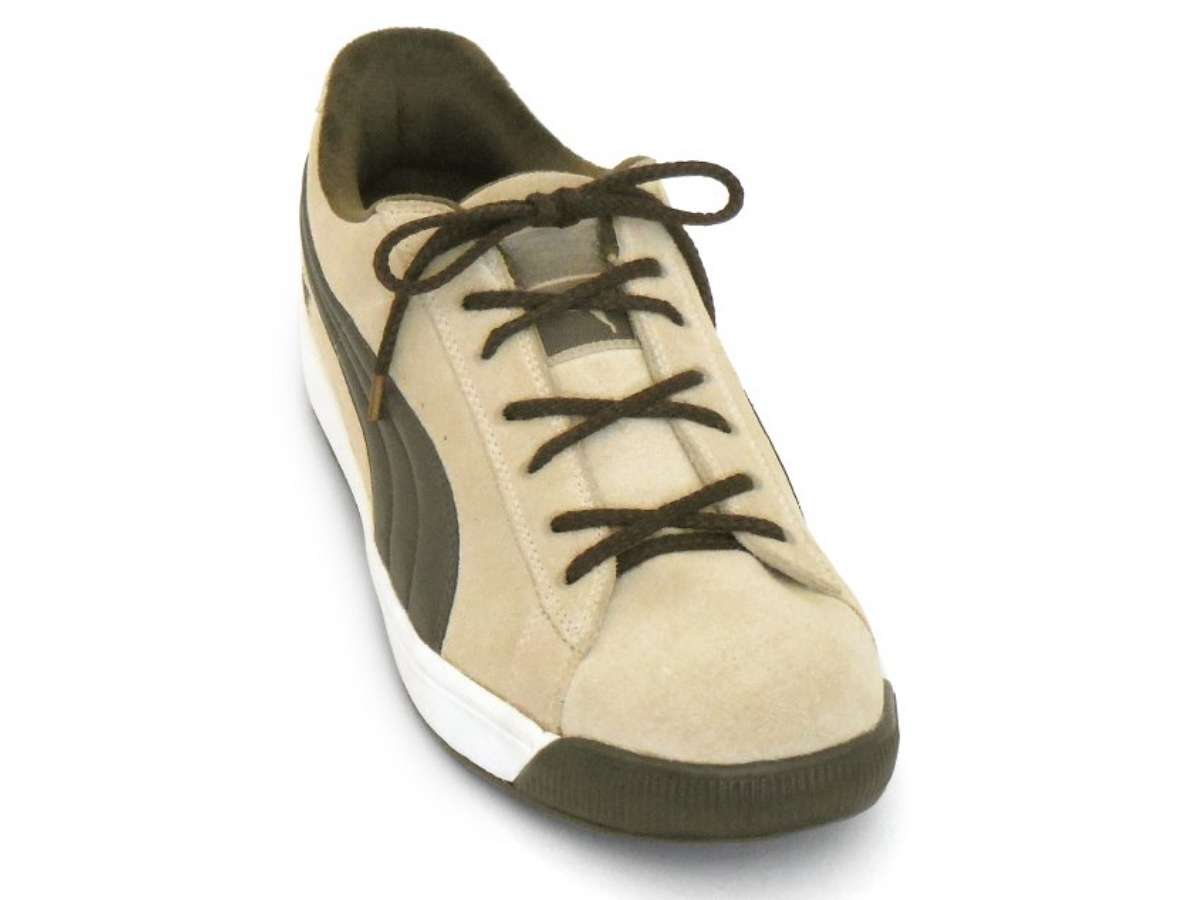
Bow Tie Lacing is a clever way to maximize lace length while creating a clean, structured look. The laces cross over on the outside and run vertically on the inside, forming a distinct bow-tie shape.
This method is ideal when laces feel too short, as it uses less length than traditional lacing. The vertical sections also create a balanced, symmetrical design, making it a favorite for dress shoes, formal footwear, and sleek sneakers.
The result is a neat, refined appearance with a light, even tension that doesn’t press too tightly on the foot. If you’re looking for a space-saving, visually appealing lacing style, Bow Tie Lacing is a simple yet effective choice.
21. Army Lacing
Army Lacing is built for tough conditions and all-day wear. It’s an inside-out version of Bow Tie Lacing, used by various armies on combat boots to allow better flexibility and durability. Instead of crossing over on the outside, the laces weave underneath, keeping the sides of the boot loose enough to bend and move naturally.
I first came across this method when breaking in a pair of heavy-duty boots. The stiffness made every step uncomfortable until I switched to Army Lacing. Suddenly, the leather flexed more, and walking felt easier without sacrificing support.
This technique is ideal for work boots, tactical footwear, and anyone needing a lacing style that balances structure with movement. If you need a secure hold without restricting flexibility, Army Lacing is a practical and proven choice.
22. Train Track Lacing
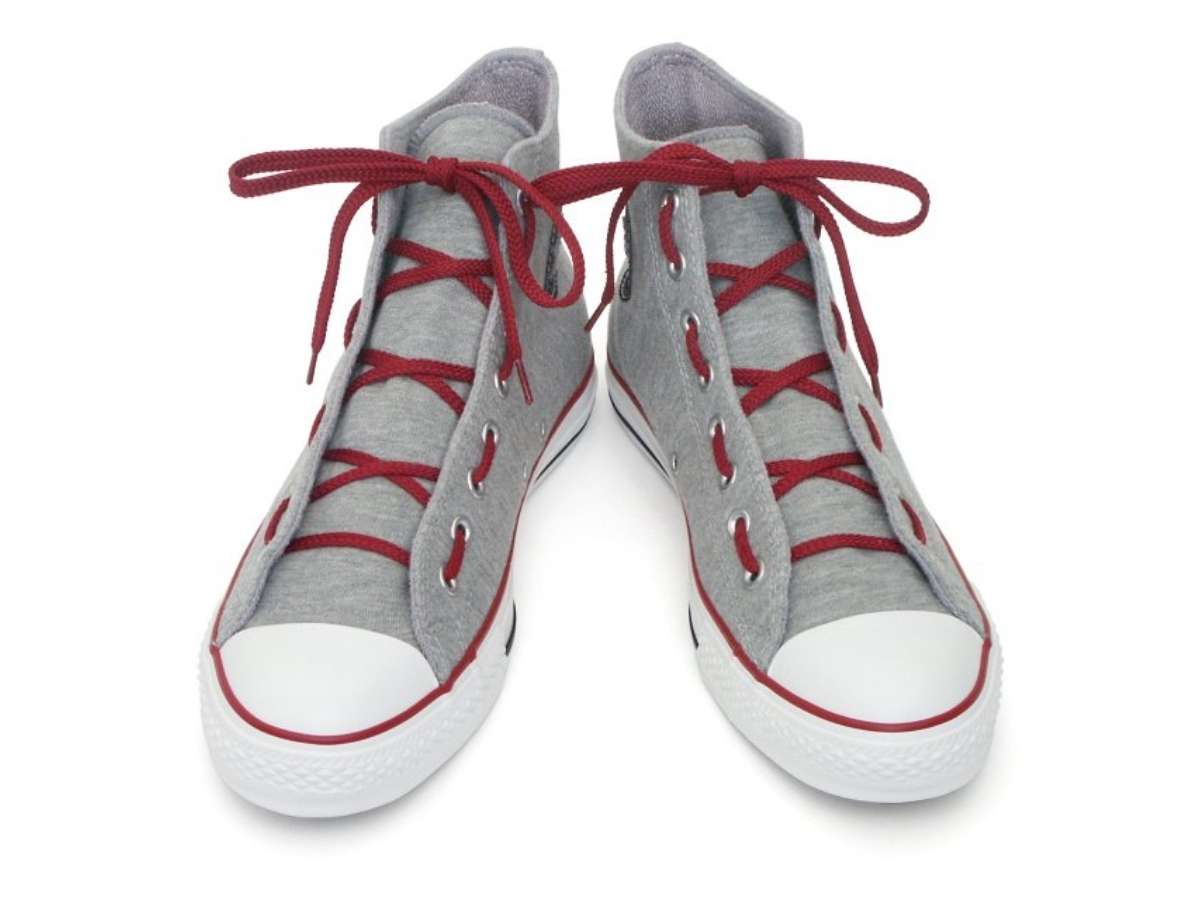
If you need extra-tight lacing that holds firm all day, Train Track Lacing is a great option. Similar to Army Lacing, this method keeps the inside segments running straight across, creating a pattern that resembles railroad tracks.
Because the laces pass through each eyelet twice, the grip is exceptionally strong, keeping your shoes or boots from loosening over time. This makes it ideal for work boots, heavy-duty footwear, and situations where stability is key.
If you’ve ever dealt with laces constantly slipping or loosening, Train Track Lacing locks everything in place. It takes a bit longer to lace up, but the firm, structured fit makes it worth it.
23. Left-Right Lacing
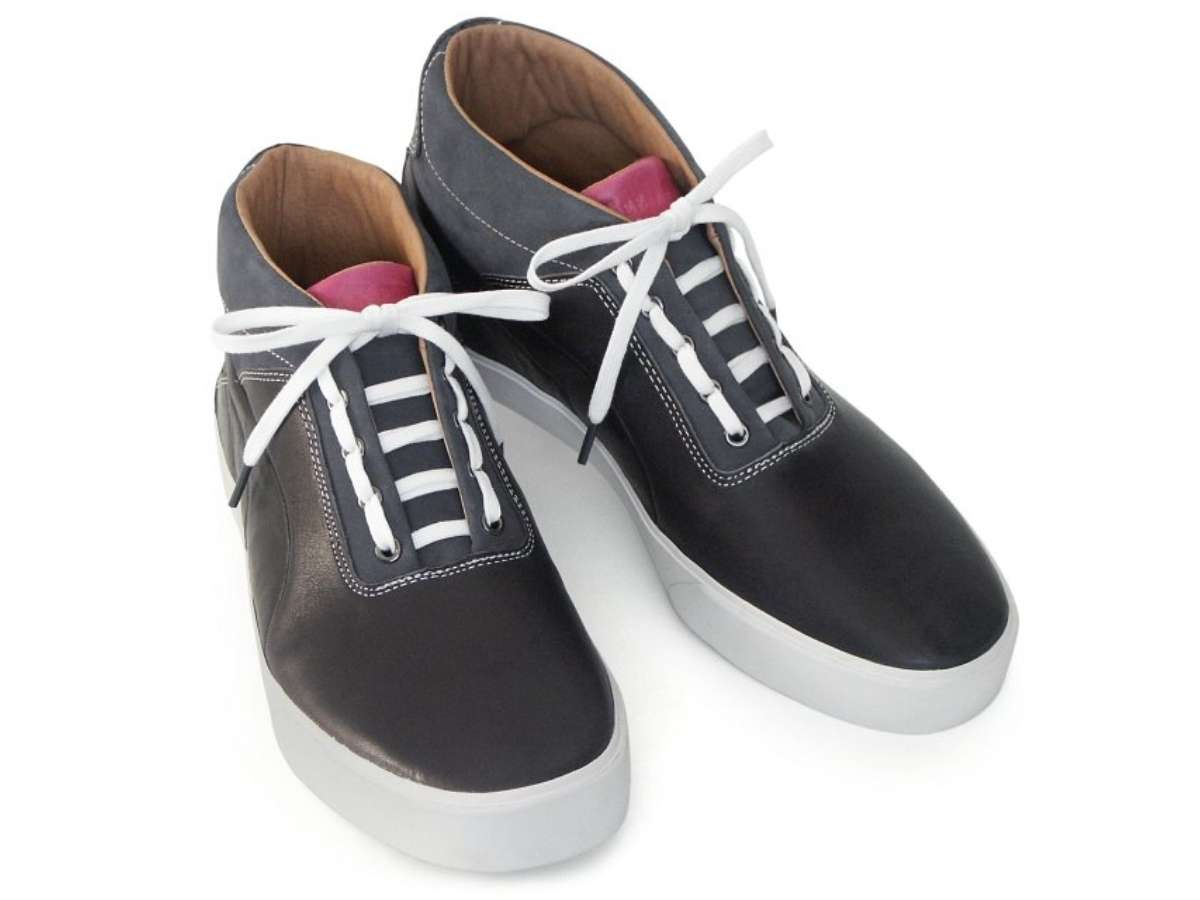
Left-Right Lacing creates a distinctive, alternating “V” pattern, shifting direction with each row. One lace always emerges through the eyelets, while the other feeds inward, forming a structured, geometric design.
This method balances both style and function, offering an even distribution of tension across the shoe. The result is a visually unique and secure lacing style, often used for adding a subtle but noticeable detail to footwear.
Perfect for those who appreciate clean lines and symmetrical patterns, Left-Right Lacing stands out without sacrificing comfort.
24. Double Helix Lacing
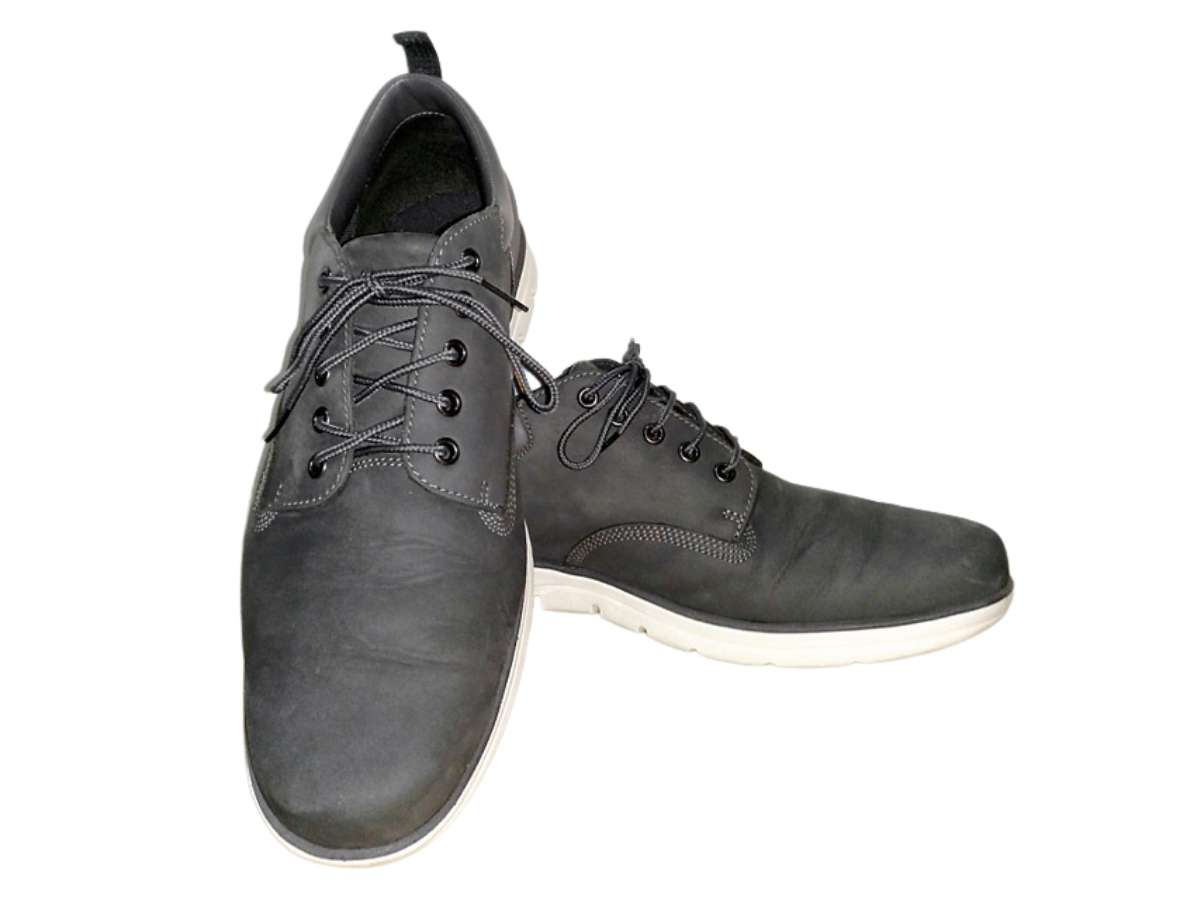
Double Helix Lacing is designed for speed and efficiency, using a patented method that angles the laces one way on the outside and the opposite way on the inside. This unique structure reduces friction, making it easier to tighten and loosen laces quickly.
Unlike traditional lacing methods that create resistance at each crossover, this technique allows the laces to glide smoothly through the eyelets. The result is a faster, more fluid lacing process, ideal for athletic shoes, work boots, or any footwear that needs quick adjustments.
For those looking for a practical lacing style that combines innovation with ease of use, Double Helix Lacing offers both function and convenience.
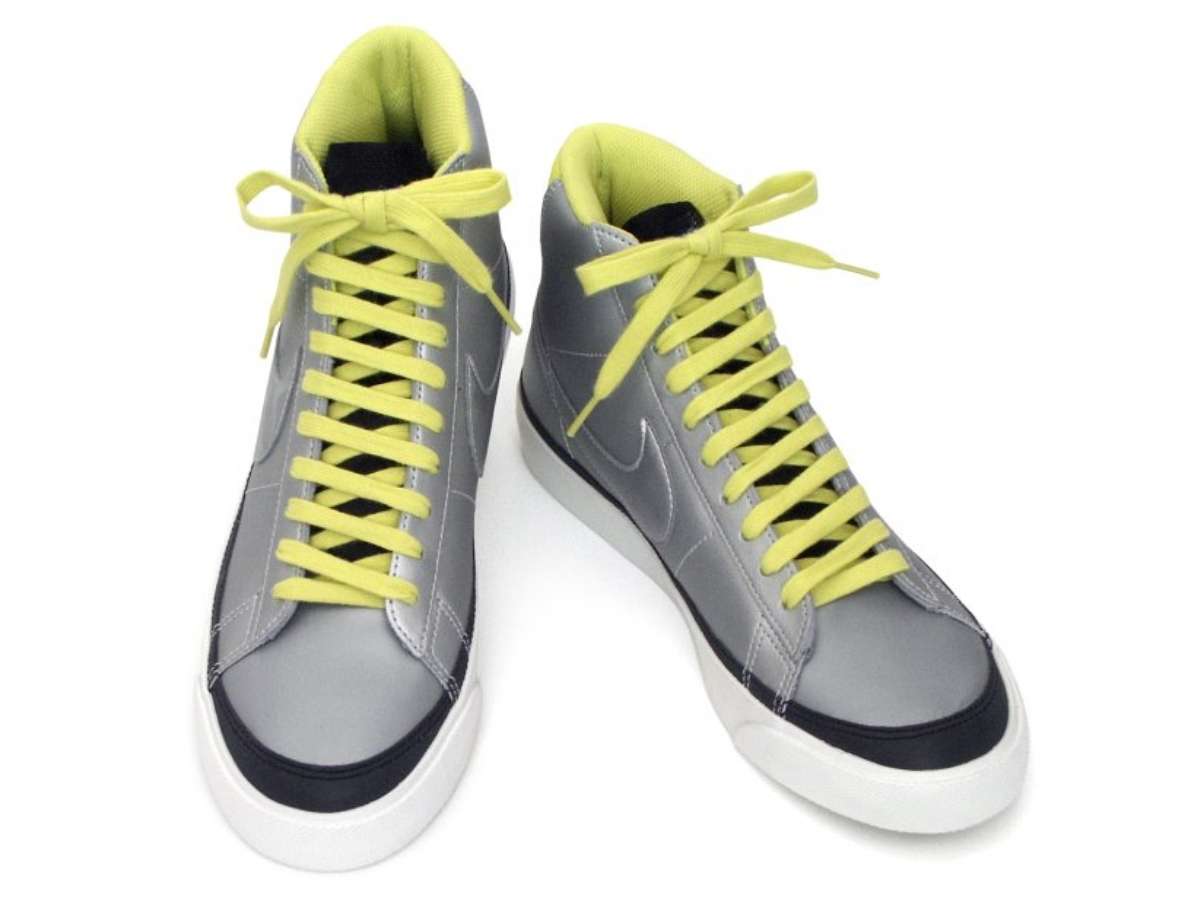
25. Double Cross Lacing
Double Cross Lacing creates a bold, layered pattern by moving three steps forward on the inside and then one step back on the outside. This results in short, wide crosses overlapping tall, narrow crosses, forming a unique, interwoven look.
Beyond its visual appeal, this lacing method provides a secure, balanced fit that distributes pressure evenly. The layered design helps keep the laces firmly in place while adding a distinctive texture to the shoe.
Great for those who want a structured, eye-catching lacing style, Double Cross Lacing offers both function and a striking aesthetic.
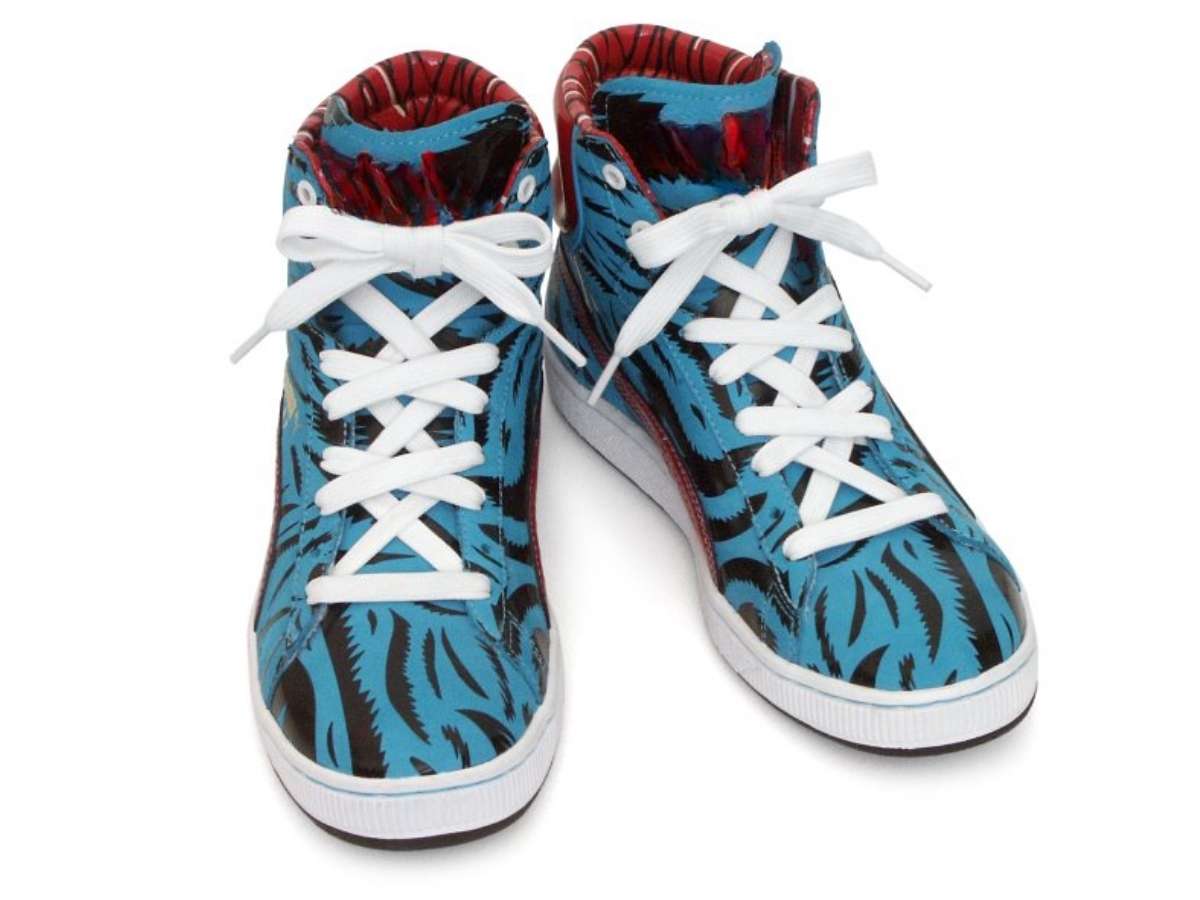
26. 2-1-3 Lacing
2-1-3 Lacing is designed to reduce pressure on the ankle and help prevent lace bite—the painful pinching that can happen in tightly laced boots and skates. The name comes from the specific lacing sequence across the ankle area: the lace passes through the second eyelet, then the first, then the third, creating a firm Double Cross that distributes tension more evenly.
This method is especially useful for skaters, hikers, and workers who need a secure but comfortable fit. By shifting pressure away from sensitive areas, it allows for tight lacing without discomfort.
For those dealing with tight spots or ankle pressure, 2-1-3 Lacing offers a simple way to improve both fit and comfort without sacrificing support.
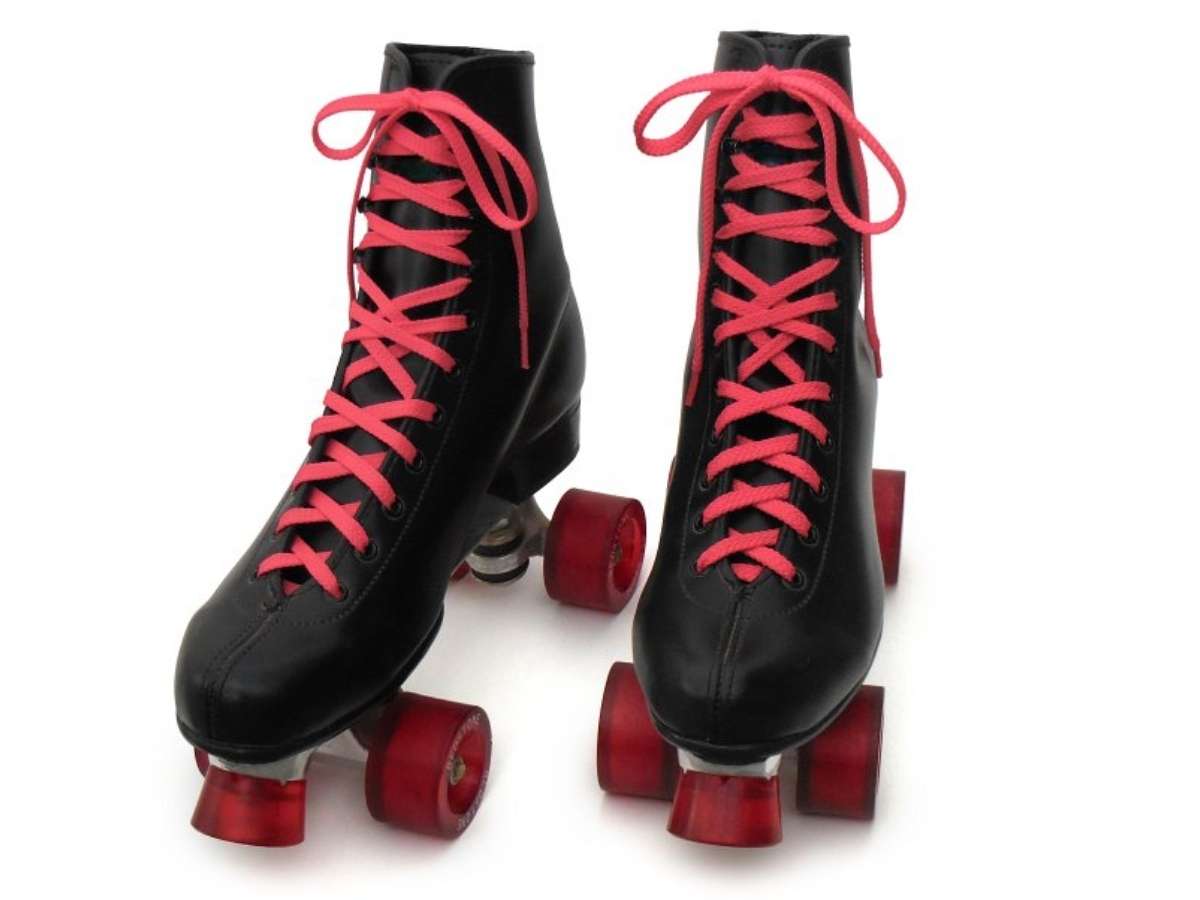
27. Hash Lacing
Hash Lacing creates a bold, structured pattern, resembling a series of diagonal hash (“#”) symbols running up the shoe. Like Double Cross Lacing, this method follows a three steps forward, one step back sequence, forming overlapping layers that add both style and stability.
The interwoven design helps distribute tension evenly, making it a good option for boots, sneakers, or any footwear that needs a secure fit. The overlapping laces also create a visually striking effect, making this a great choice for those looking to add a unique touch to their shoes.
For anyone who wants both function and design, Hash Lacing offers a firm hold with a standout look.

28. Lattice Lacing
If you want a bold, decorative lacing style, Lattice Lacing is a great choice. The laces cross at a steep angle and weave through each other, creating a grid-like pattern that stands out.
This method isn’t just for looks. It spreads tension evenly, making it more comfortable while keeping the fit secure. Perfect for fashion sneakers or statement footwear, it adds a unique, structured touch without compromising function.
If you’re looking for a way to make your shoes stand out, Lattice Lacing gives both style and support in one design.
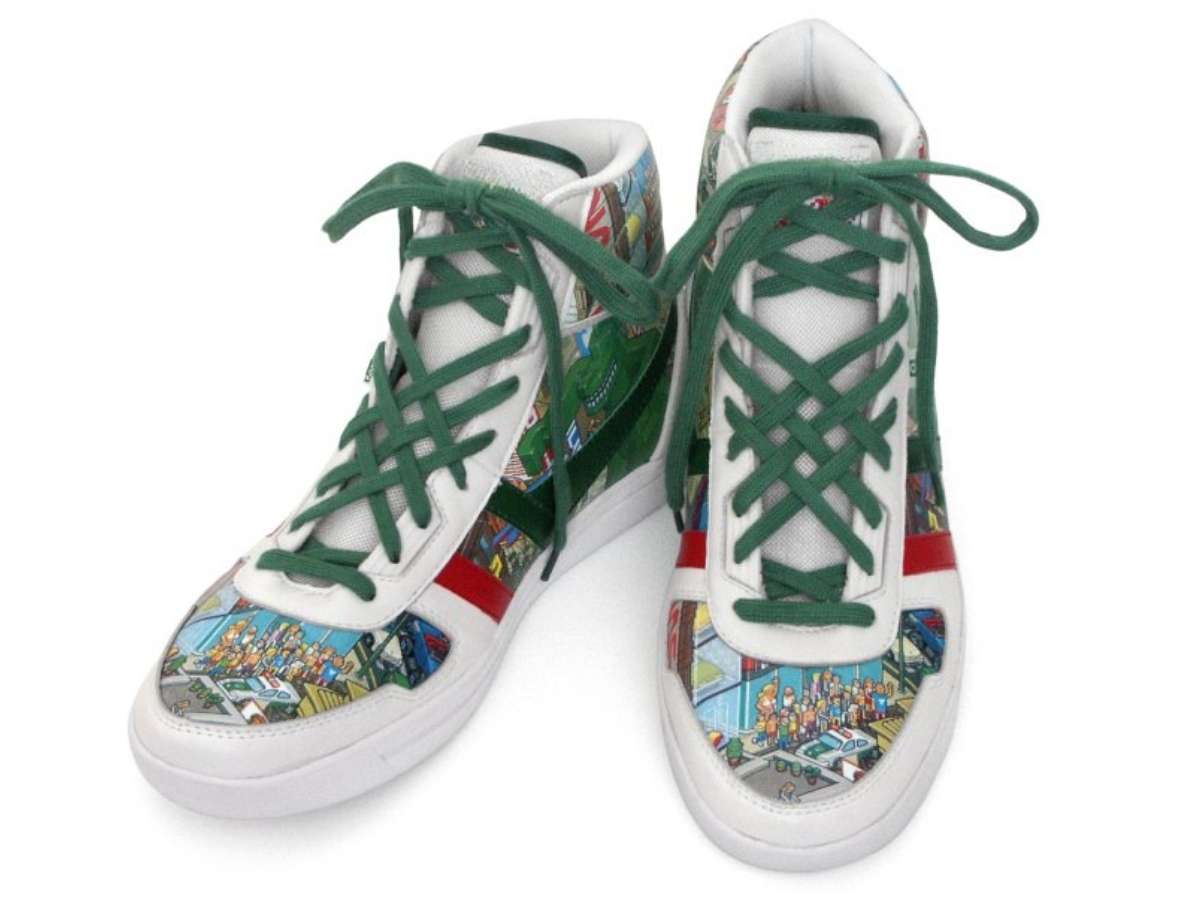
29. Zipper Lacing
Zipper Lacing creates a tight, locked-in fit, making it a popular choice for skates, boots, and any footwear that needs firm support. The laces “lock” at each eyelet pair, preventing sections from loosening while tightening the rest.
This method is especially useful for athletes and workers who need a secure fit that won’t shift during movement. The pattern also resembles a giant zipper, adding a unique visual element to the shoe.
For those who need firm lacing with a structured look, Zipper Lacing provides both security and style in one design.
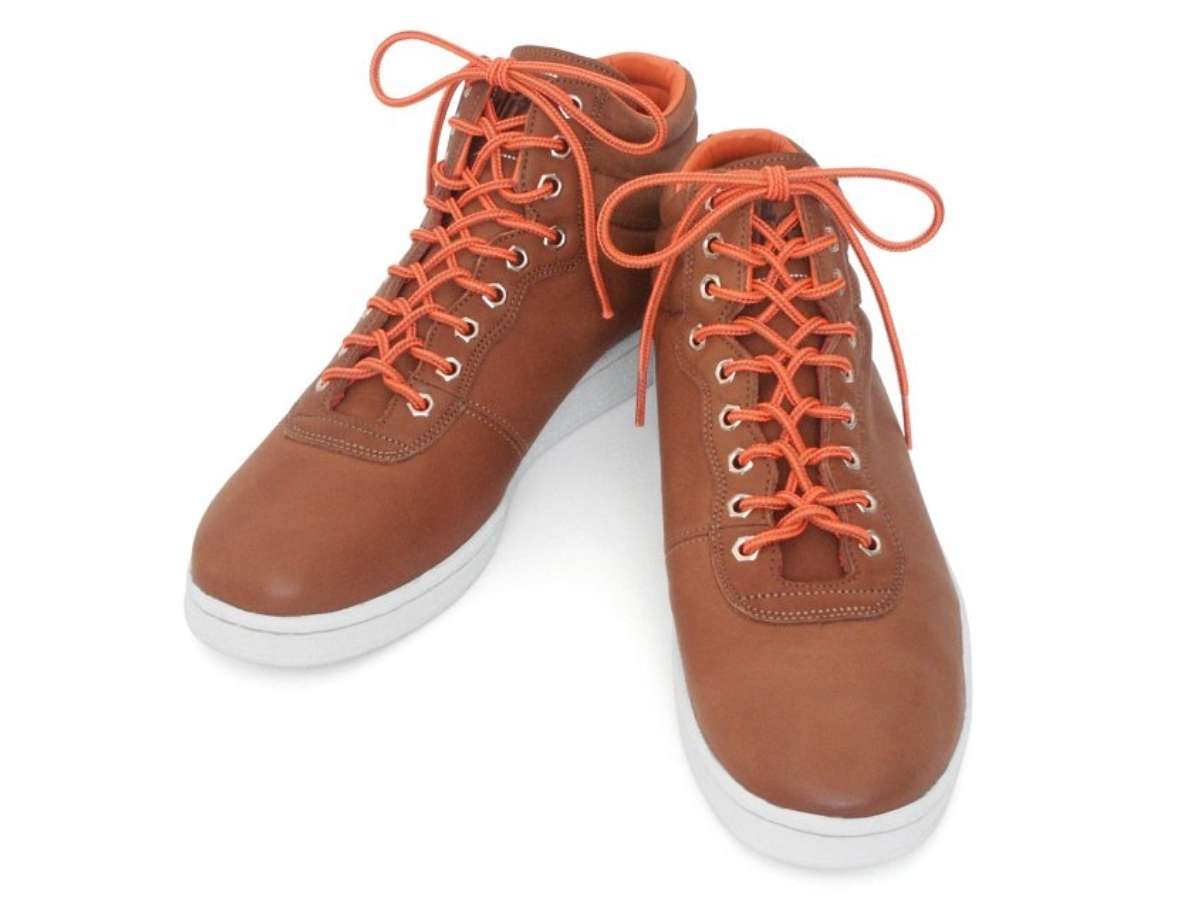
30. Riding Boot Lacing
Also known as Bal-Lacing, Riding Boot Lacing is designed for motorcycle and equestrian boots that need flexibility near the ankle while staying secure at the top. Unlike traditional lacing, the sides of the boot are joined at the top while the lower section remains adjustable for comfort and movement.
The laces zig-zag from both ends and are tied in the middle, allowing for a snug fit where it matters most while keeping the ankle area loose enough to move naturally. This setup helps prevent pinching or stiffness, making it ideal for long rides or extended wear.
For those who need both stability and comfort in riding boots, this lacing method offers the best of both worlds.
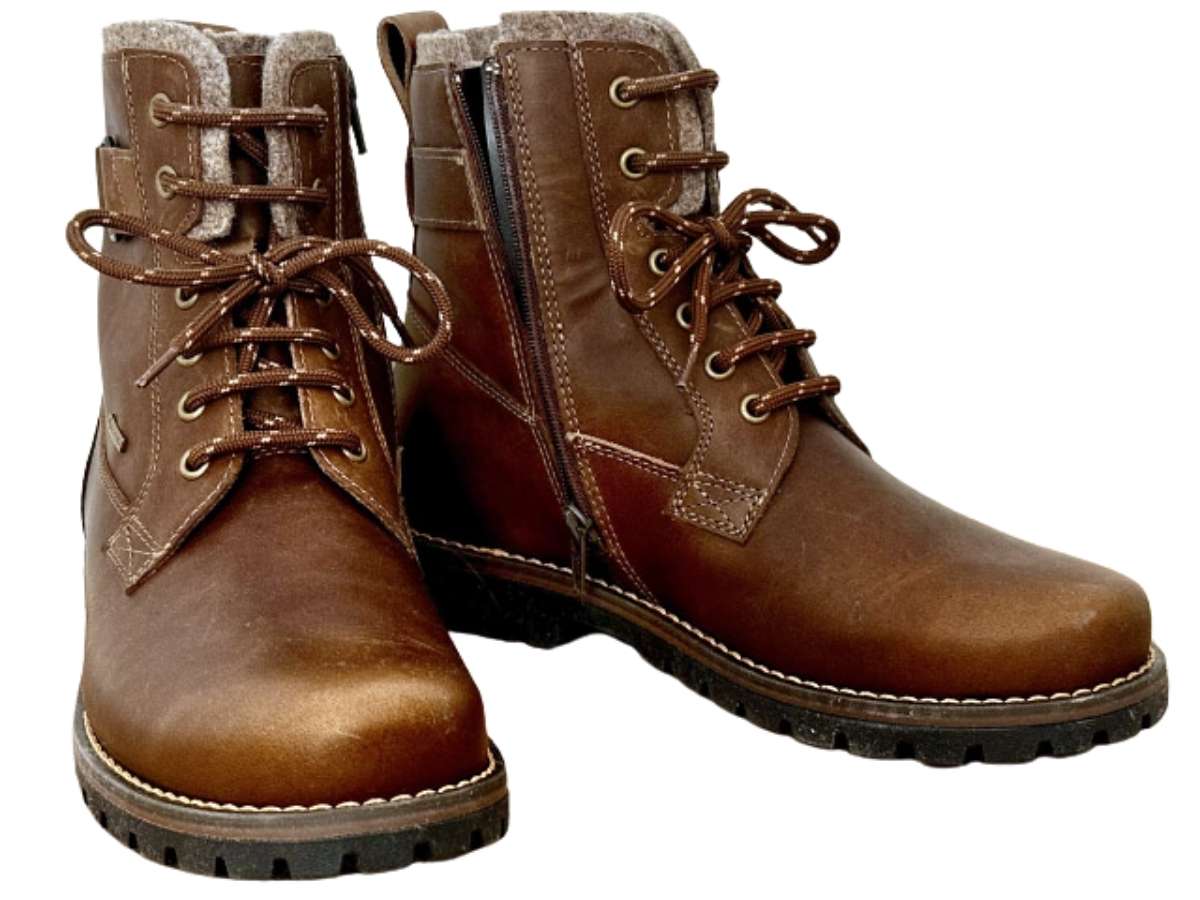
31. One-Handed Lacing
Tying shoelaces can be a challenge for anyone with limited mobility, injuries, or simply the need for speed. One-Handed Lacing offers a solution by eliminating the need to tie a knot at all. Instead, one end of the lace stays permanently loose, allowing the shoe to be tightened or loosened with a single pull.
This method is particularly helpful for those who struggle with fine motor skills or need quick adjustments on the go. Traditional lacing often requires both hands to secure a knot, which isn’t always practical. One-Handed Lacing removes that step, making footwear more accessible and easy to manage.
For anyone looking for a hassle-free way to lace up, this technique provides convenience, function, and independence in one simple adjustment.
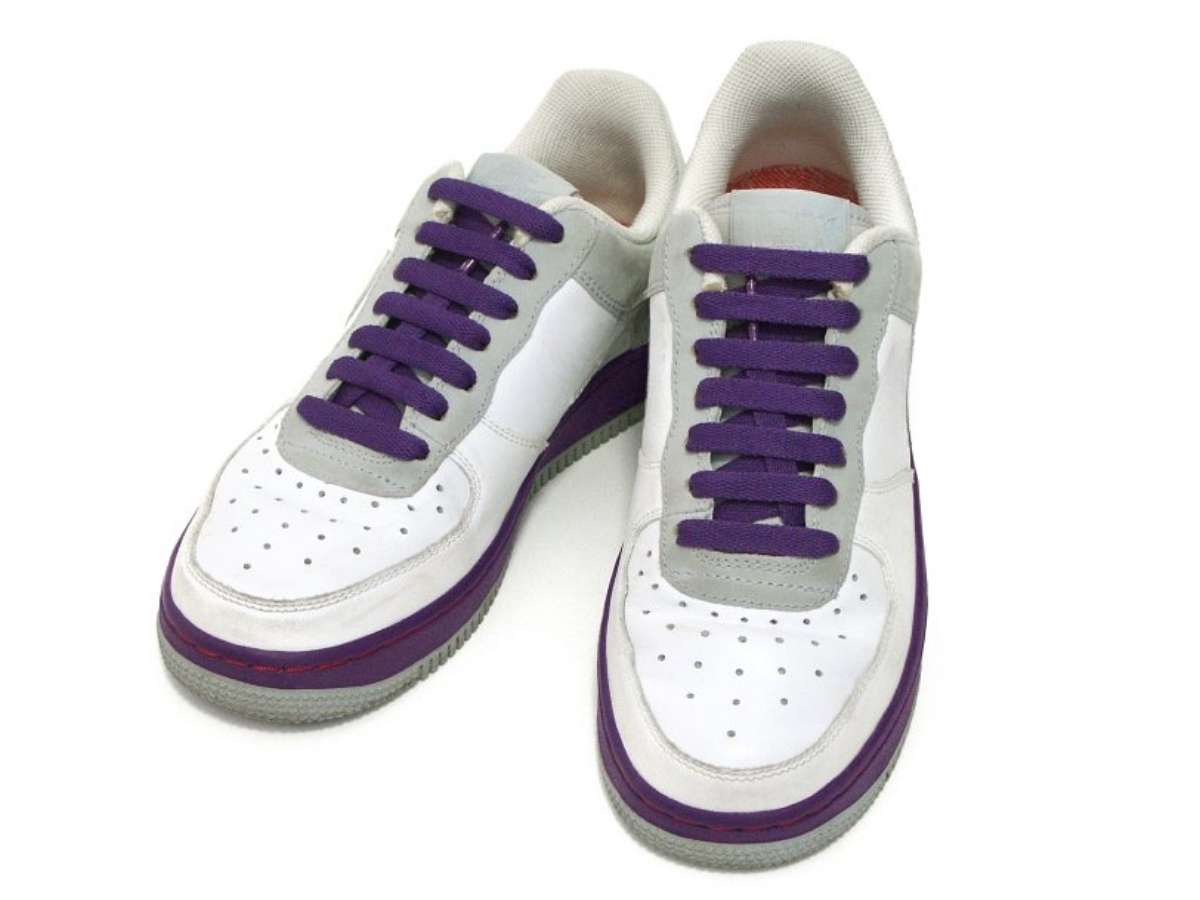
32. Segmented Lacing
Some shoes never seem to fit quite right. Too tight at the top, too loose at the bottom—a constant struggle to adjust.
With Segmented Lacing, also called Zoned Lacing, the shoe is divided into sections. Each part can be tightened or loosened separately, solving the problem of uneven pressure.
Instead of battling with discomfort, this method creates a custom fit. Perfect for hiking boots, work shoes, or anyone needing precise adjustments, it offers support where it’s needed and relief where it’s not.
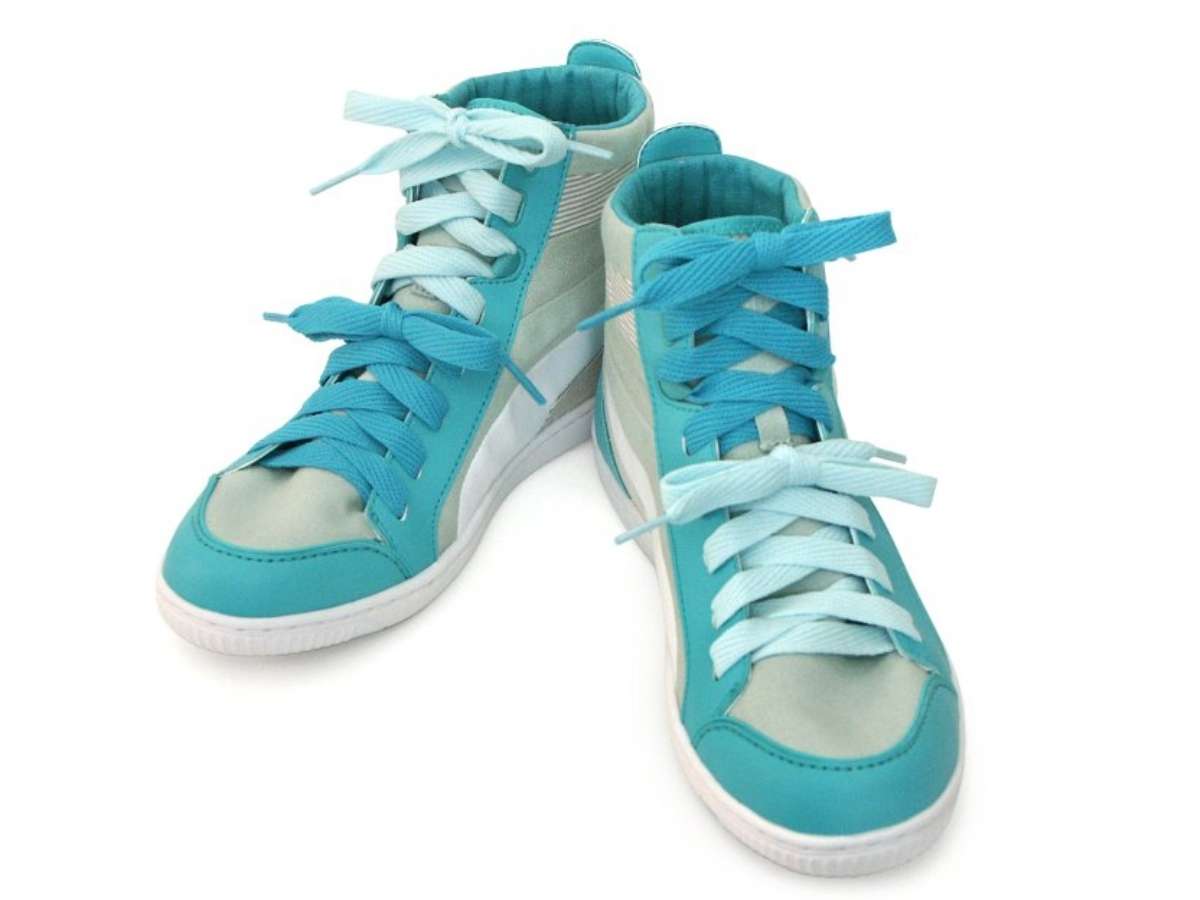
33. Knotted Segment Lacing
Some shoes just don’t cooperate. One section always feels too tight, another too loose, and constant adjusting never seems to fix it.
Knotted Segment Lacing offers a simple solution. By tying a small knot between sections, the lower part stays permanently looser or tighter, while the top can still be adjusted as needed. It’s a more structured variation of Segmented Lacing, trading some flexibility for a cleaner look and long-term stability.
For those tired of constant re-lacing, this method locks in a preferred fit, making it perfect for work boots, skates, or any footwear that requires consistent tension control.
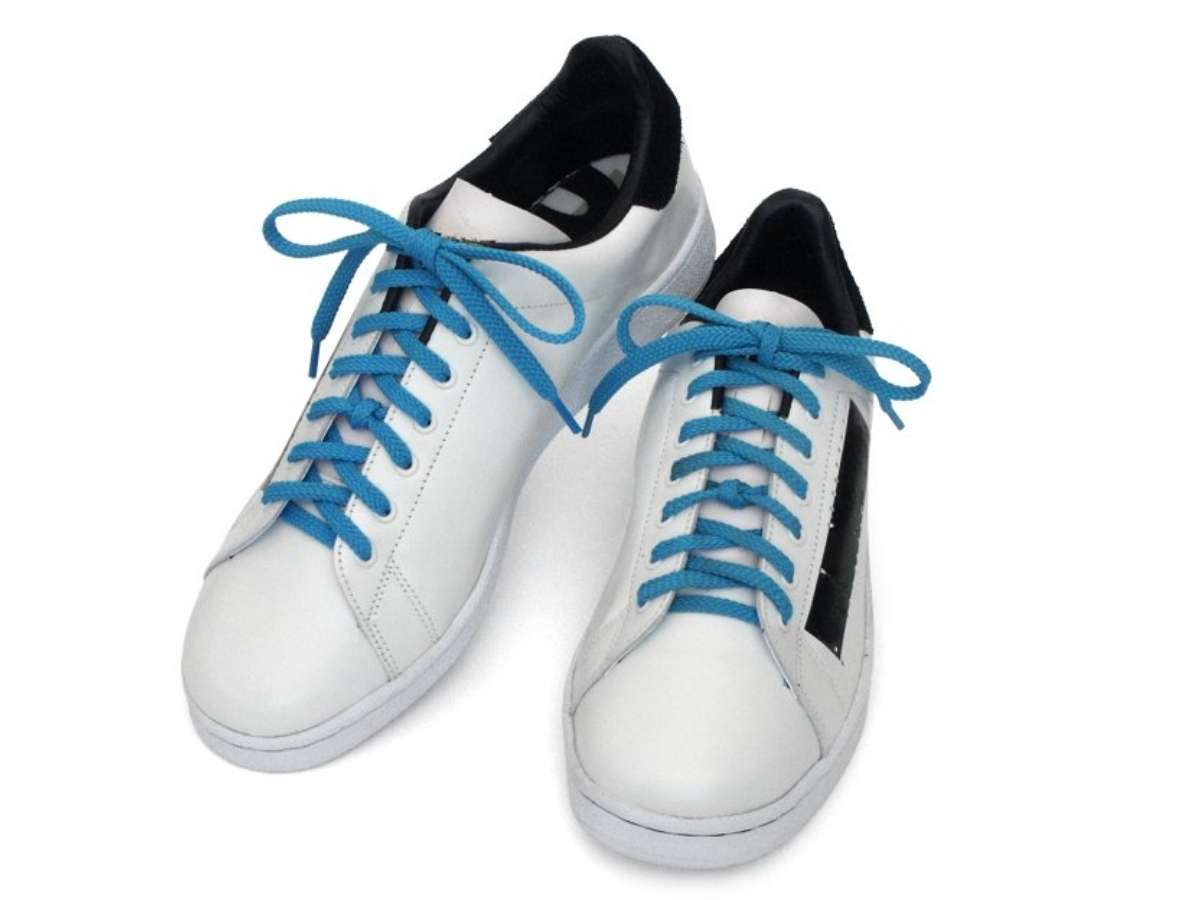
34. Hidden Knot Lacing
Shoes can make a statement, but messy, bulky knots often get in the way. They disrupt the clean lines of dress shoes, sneakers, or formal footwear, making them look less polished.
Hidden Knot Lacing solves this by tucking the knot underneath the laces, creating a seamless row of straight bars across the shoe. The result is a sleek, uninterrupted finish that looks refined while still keeping the laces secure.
For those who want style without sacrificing function, this method offers the perfect balance of elegance and practicality, making it a go-to for both fashion and professional settings.
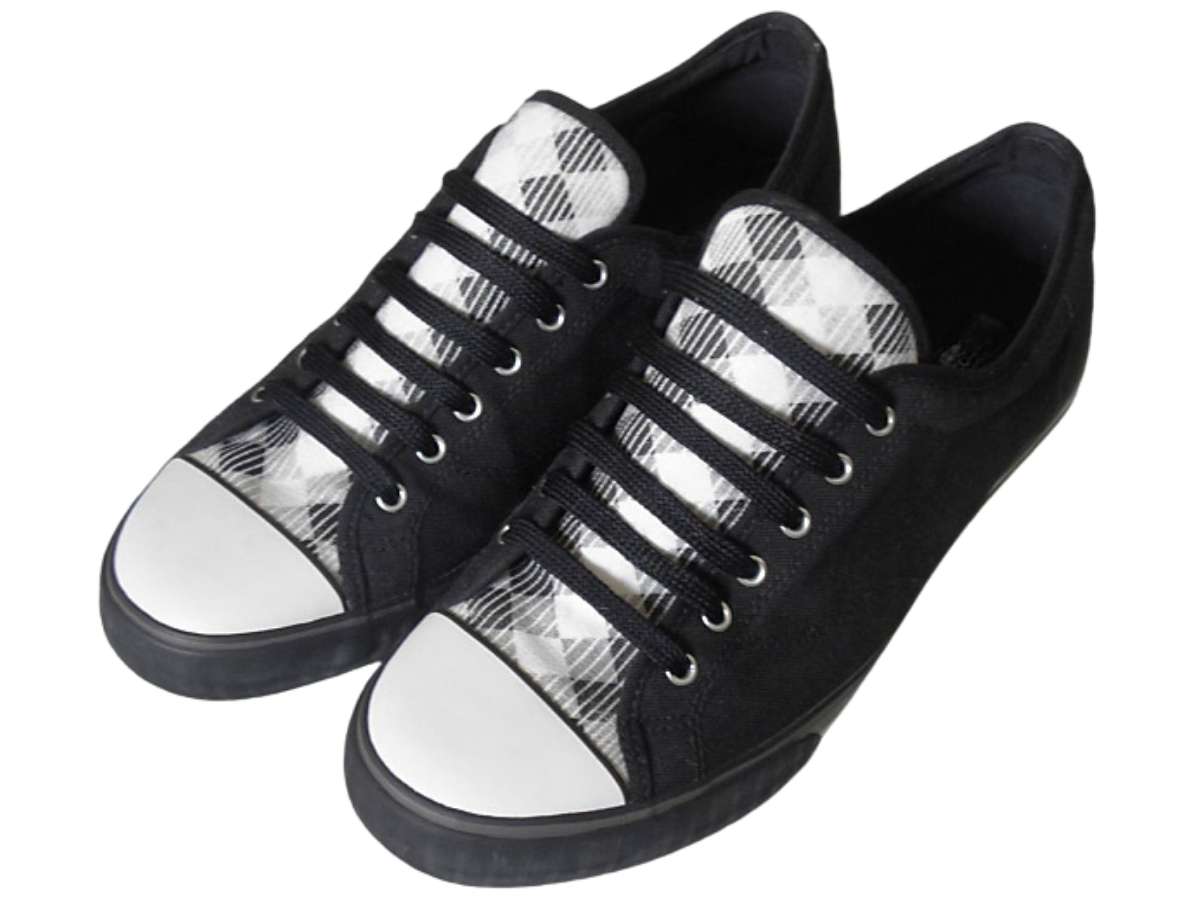
35. Loop Back Lacing
Laces aren’t just for function—they can add texture and personality to a shoe. But sometimes, standard lacing looks too plain, lacking movement or dimension.
Loop Back Lacing changes that by creating interwoven loops down the center, much like two springs twisting together. This adds a bold, three-dimensional effect, making it stand out on sneakers, boots, or statement footwear.
However, these loops can shift off-center over time, requiring occasional adjustments. For those who want a dynamic, eye-catching lacing style, Loop Back Lacing offers a unique look with a little extra personality.
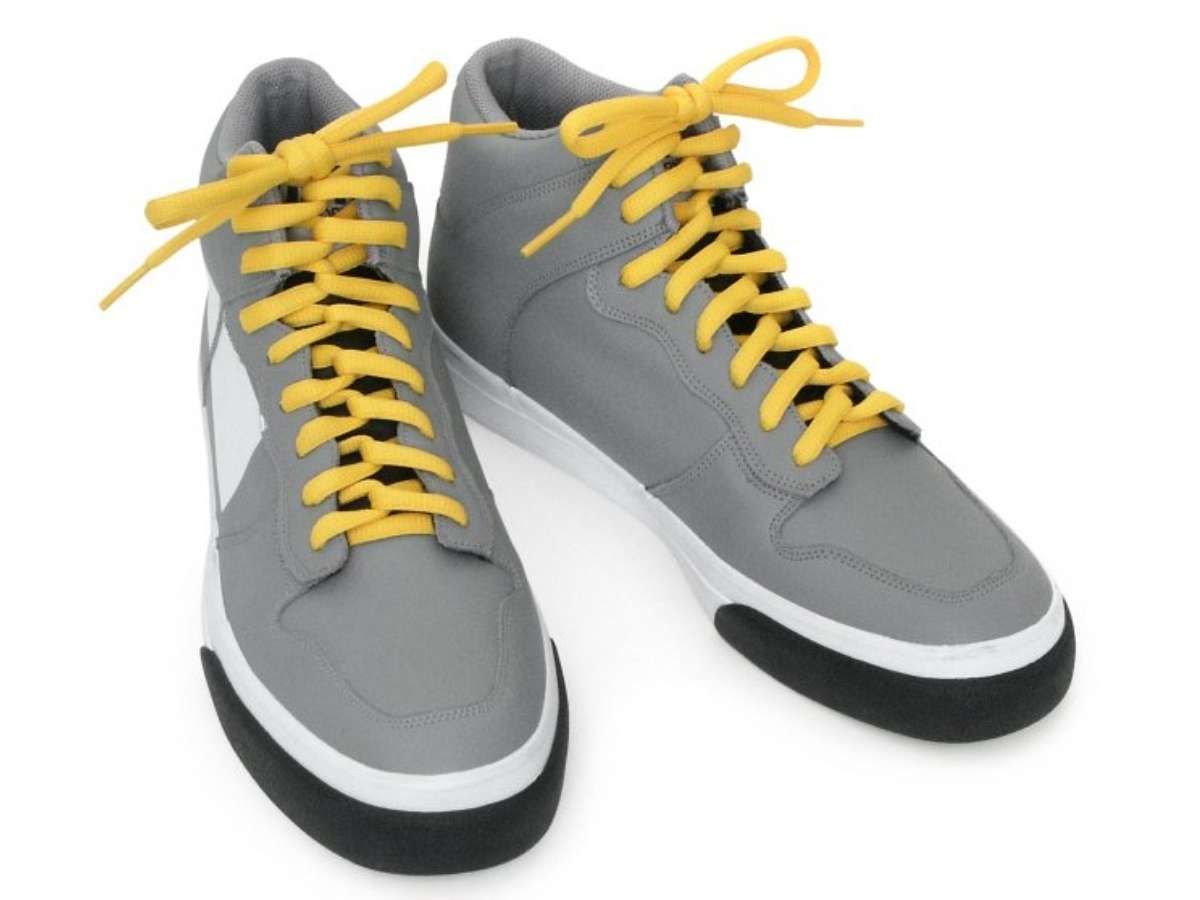
36. Knotted Lacing
Some shoes need more than just tight laces—they need a lacing method that won’t budge under pressure. Regular lacing often slips, especially in ice skates, rollerblades, or work boots, where a secure fit is critical.
Knotted Lacing solves this by adding small overhand knots at each crossover, increasing friction and keeping the laces firmly in place. No more constant re-tightening or loose sections affecting performance.
While it takes longer to lace up, the result is a rock-solid hold that stays secure, making it a reliable choice for high-impact activities or footwear that demands stability.
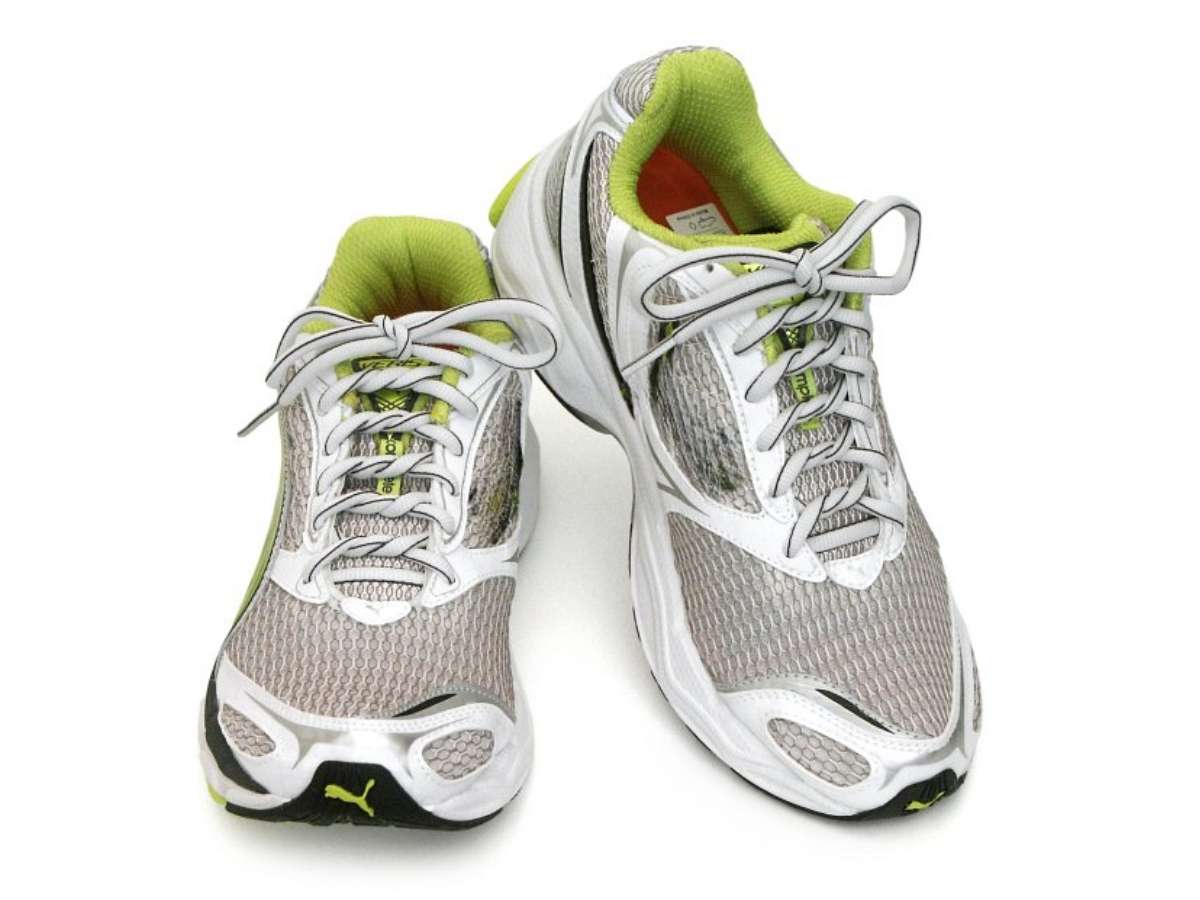
37. Twistie Lacing
Some lacing styles are all about function, while others focus on looks—but what if you want both? Standard lacing can loosen over time, and some designs lack visual appeal.
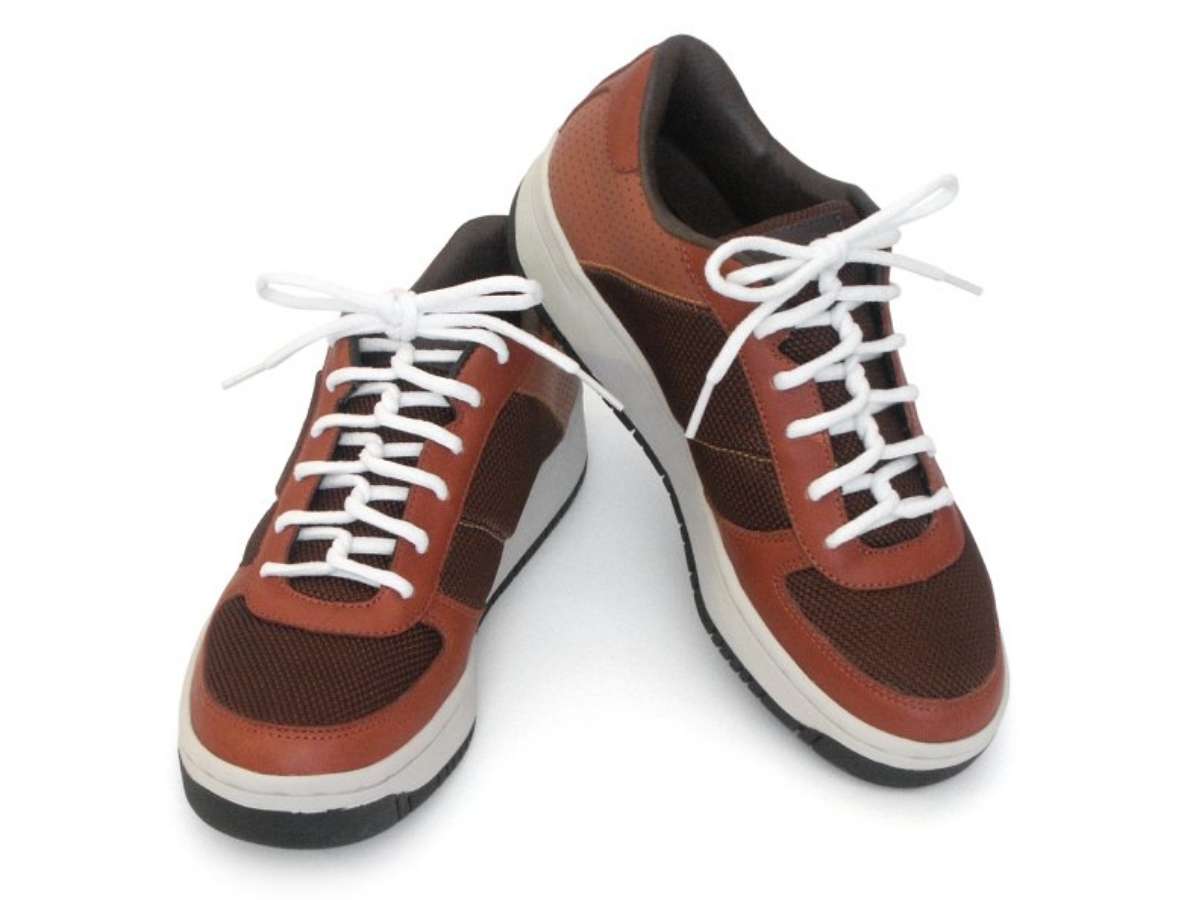
Twistie Lacing combines elements of Loop Back and Knotted Lacing, twisting the laces together at each crossover with a vertical overhand knot before continuing to the other side. This creates a textured, intertwined effect that not only looks unique but also adds extra grip and security.
While it takes more time to lace up, the result is both firm and decorative, making it ideal for statement footwear or shoes that need a tighter hold.
38. Roman Lacing
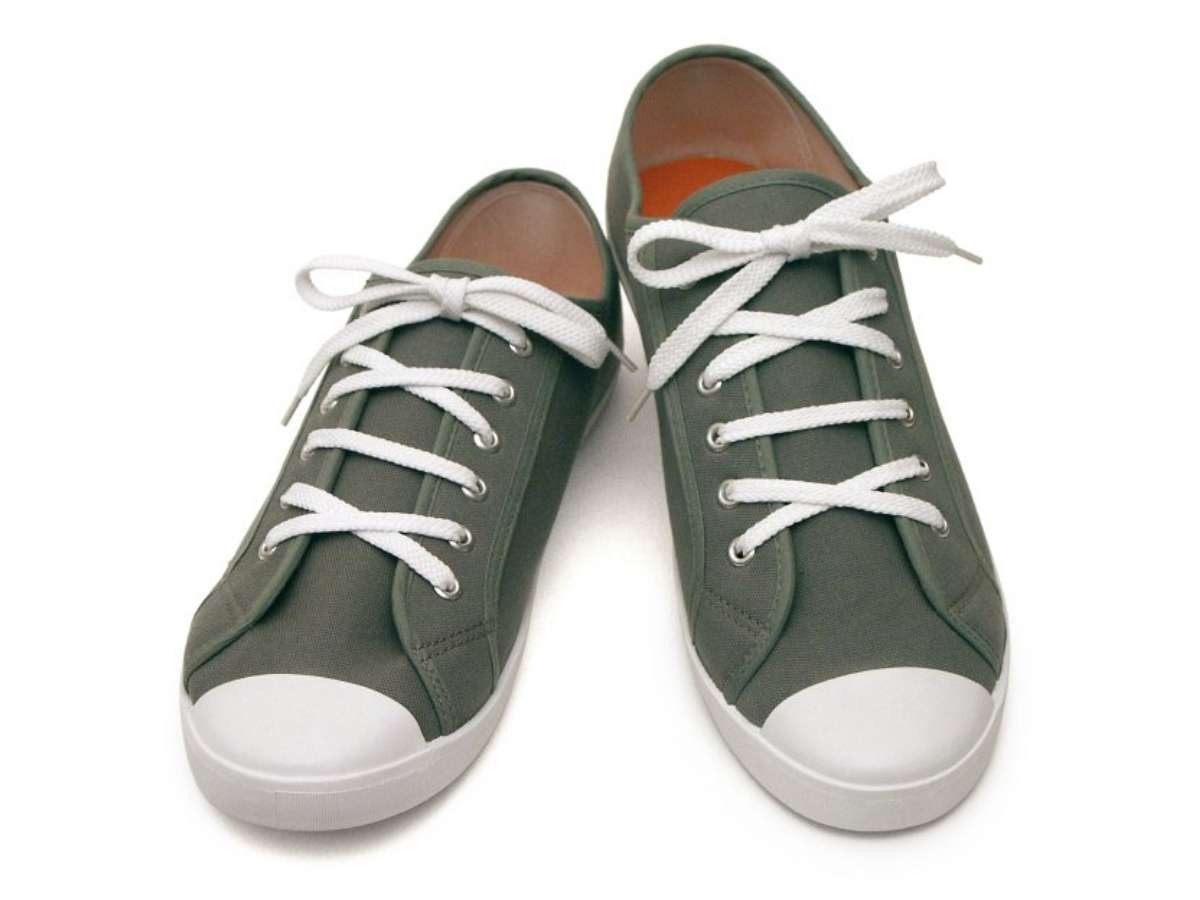
For those who appreciate classic, structured designs, Roman Lacing offers a distinctive look. The laces alternate in an X-I-X-I pattern, resembling Roman numerals, which creates a symmetrical, elegant finish.
This method works best on dress shoes or formal footwear, where the sides meet neatly in the middle. It provides a clean, polished appearance, making it a great choice for professional settings or high-end presentations.
Beyond aesthetics, Roman Lacing maintains an even tension, preventing uncomfortable pressure points while keeping the shoe securely fitted. It’s a subtle yet sophisticated choice for those who value both style and function.
39. C.I.A. Lacing
Lacing can be more than just a way to secure shoes—it can be a form of communication. During the Cold War, C.I.A. officers reportedly used this lacing method as a covert signaling system, embedding hidden messages in their shoelaces.
The pattern consists of mostly straight segments, interrupted by one or more visible crossovers placed at specific positions. These crossovers were thought to signal prearranged messages to others trained in the system.
Today, while the secret-agent aspect may no longer apply, C.I.A. Lacing offers a subtle, sleek design that stands out while maintaining a structured, low-profile appearance. It’s a great choice for those who appreciate minimalist lacing with an interesting backstory.

40. Hexagram Lacing
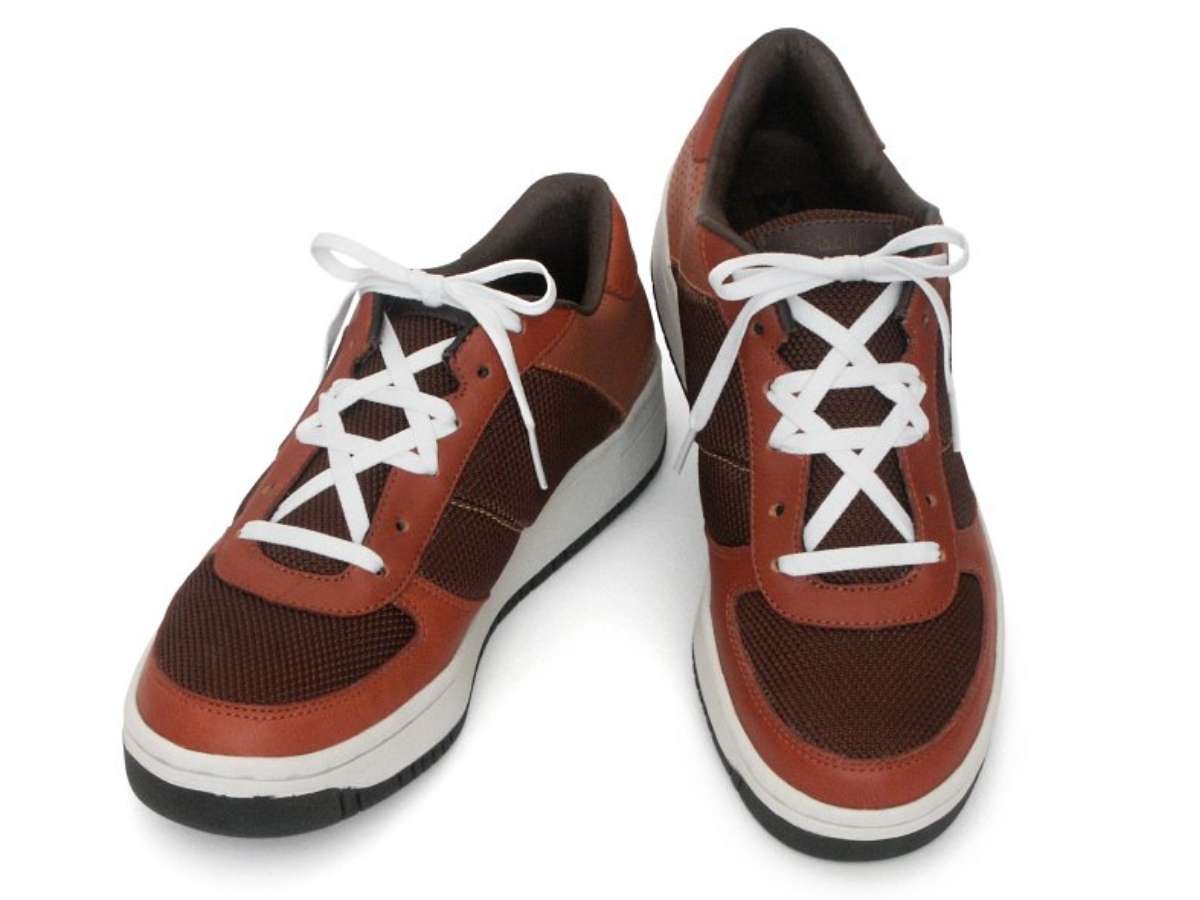
Hexagram Lacing is a purely decorative technique that forms a six-pointed star, also known as a hexagram. This geometric symbol has been used for centuries across different cultures and religions, most notably as the Star of David in Judaism.
The laces weave in a way that creates an interlocking, symmetrical design, making it a bold, artistic choice for those who want their footwear to stand out. While it doesn’t provide extra support or function, the intricate pattern adds a striking visual element, perfect for statement sneakers or custom footwear.
For those looking to incorporate meaningful symbols into their style, Hexagram Lacing offers a blend of tradition, geometry, and creativity in one design.
41. Pentagram Lacing
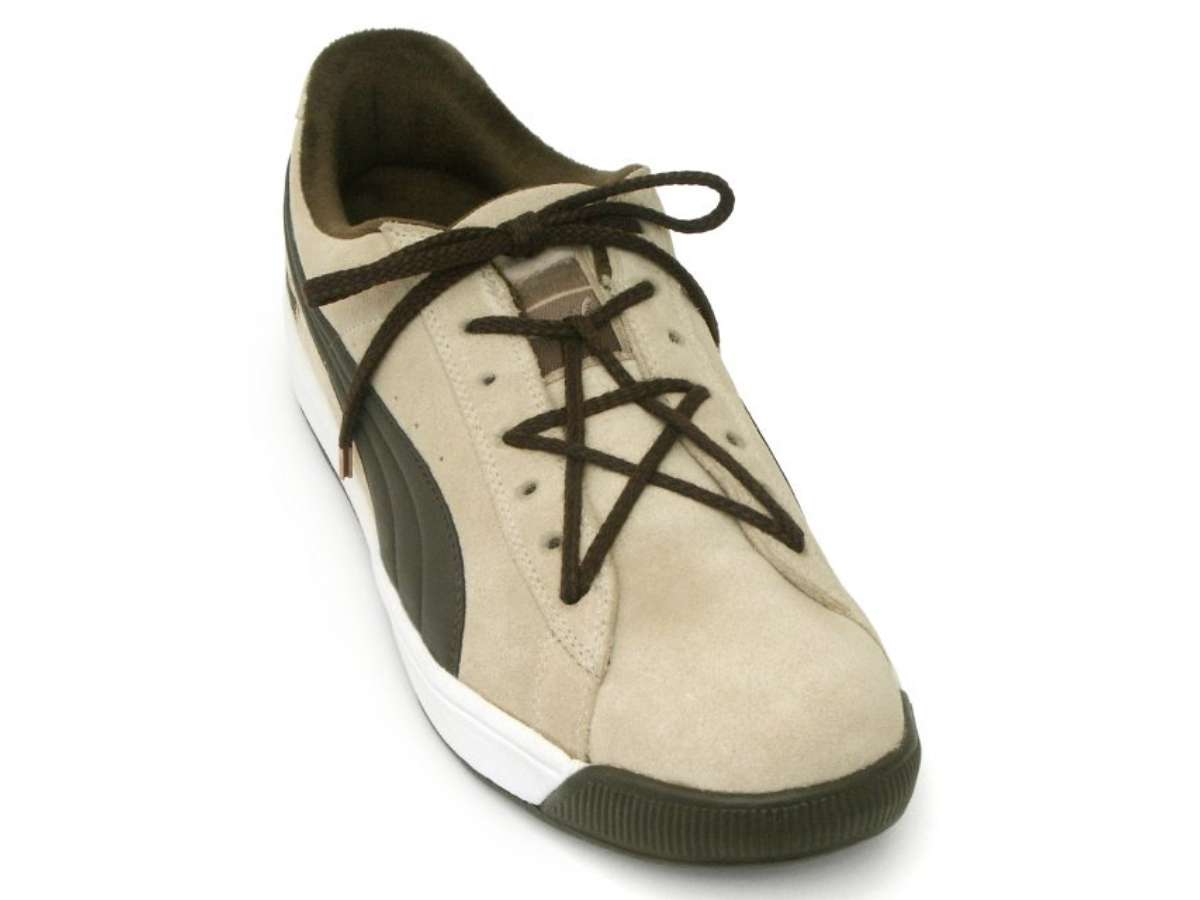
If you want a bold, decorative lacing style, Pentagram Lacing creates a five-pointed star across your shoe. While often linked to mystical and symbolic meanings, the pentagram also appears on many national flags, including the U.S. flag.
This lacing method won’t change how your shoes fit, but it adds a striking geometric design. Whether you’re looking to make a statement, add symbolism, or just try something new, Pentagram Lacing gives your shoes a unique edge.
42. Asterisk Lacing
If you’re looking for a unique, structured design, Asterisk Lacing creates a pattern of [*] symbols along your shoe. By combining crossovers and straight sections, this method forms a repeating asterisk shape that stands out.
It works best on shoes with multiples of three eyelet pairs (3, 6, 9, etc.), allowing the pattern to stay even and symmetrical. While this lacing style is mostly decorative, it also provides a balanced, secure fit without putting too much pressure on any one point.
For a bold and geometric look, Asterisk Lacing adds both style and function, making your shoes more visually striking while keeping them comfortably laced.
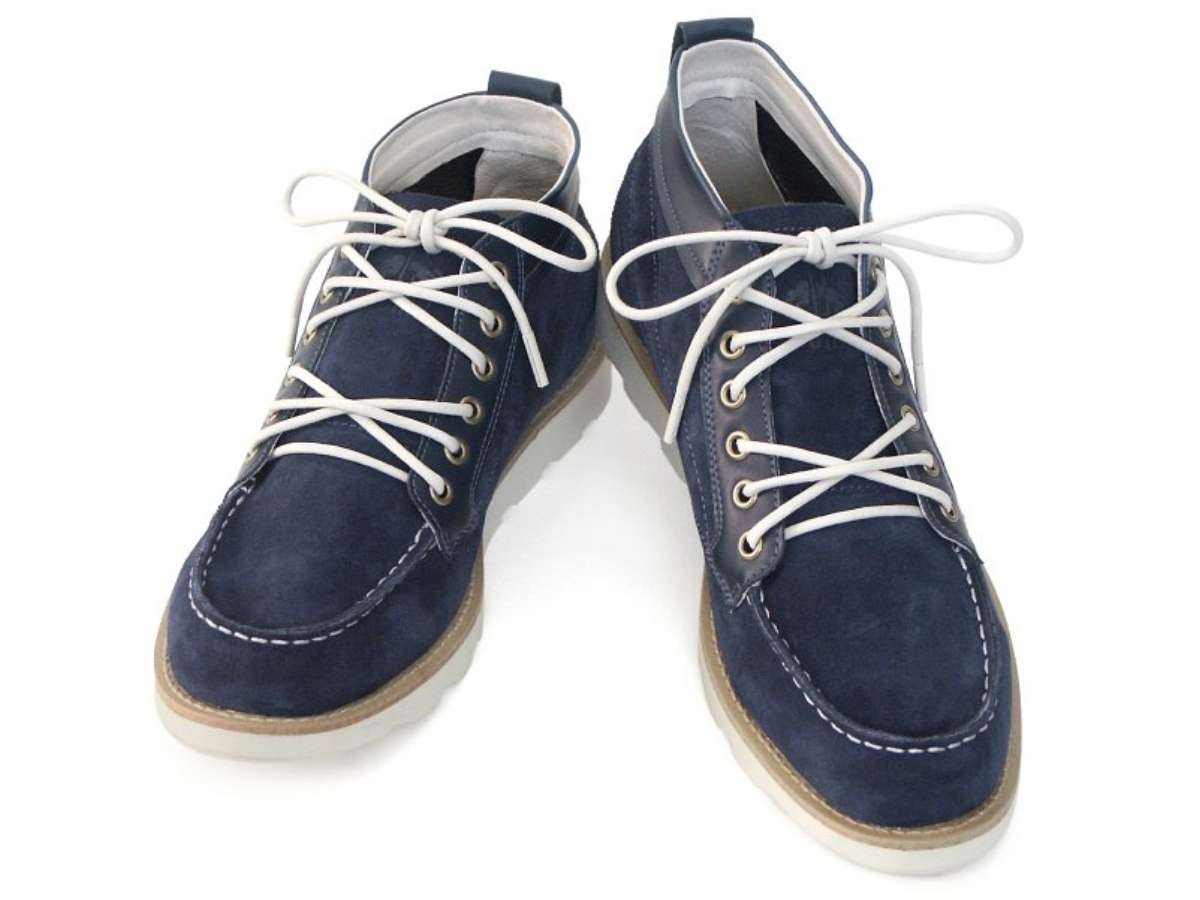
43. Starburst Lacing
Starburst Lacing bursts across the shoe with bold, crisscrossing lines. The hidden vertical sections keep the focus on the sharp, angled laces that meet at the center, creating a radiating star effect.
This lacing style adds energy and movement, making it perfect for statement sneakers or bold footwear. If you want a striking, high-impact look, Starburst Lacing makes every step stand out.
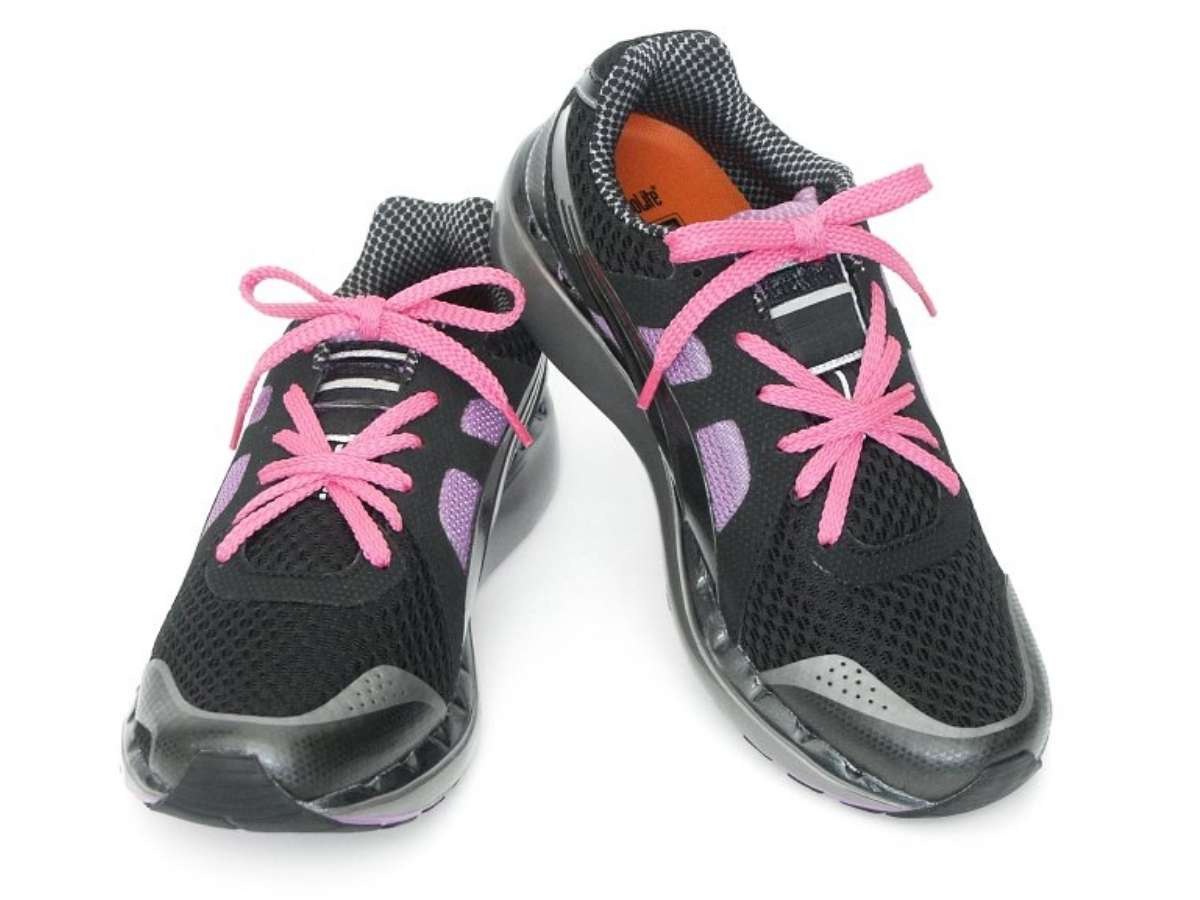
44. Supernova Lacing
Supernova Lacing creates a layered explosion of intersecting lines, like two Starbursts stacked on top of each other. The outer laces form a bold, crisscrossing pattern, while the inner laces weave a hidden design beneath, adding depth and complexity.
This method uses longer shoelaces, making it perfect for shortening excess length while maintaining a secure fit. The intricate web of laces draws the eye, giving shoes a dynamic, high-energy appearance that stands out.
For those looking to make a bold statement with their footwear, Supernova Lacing delivers a visually striking effect that transforms any pair of shoes into a standout piece.
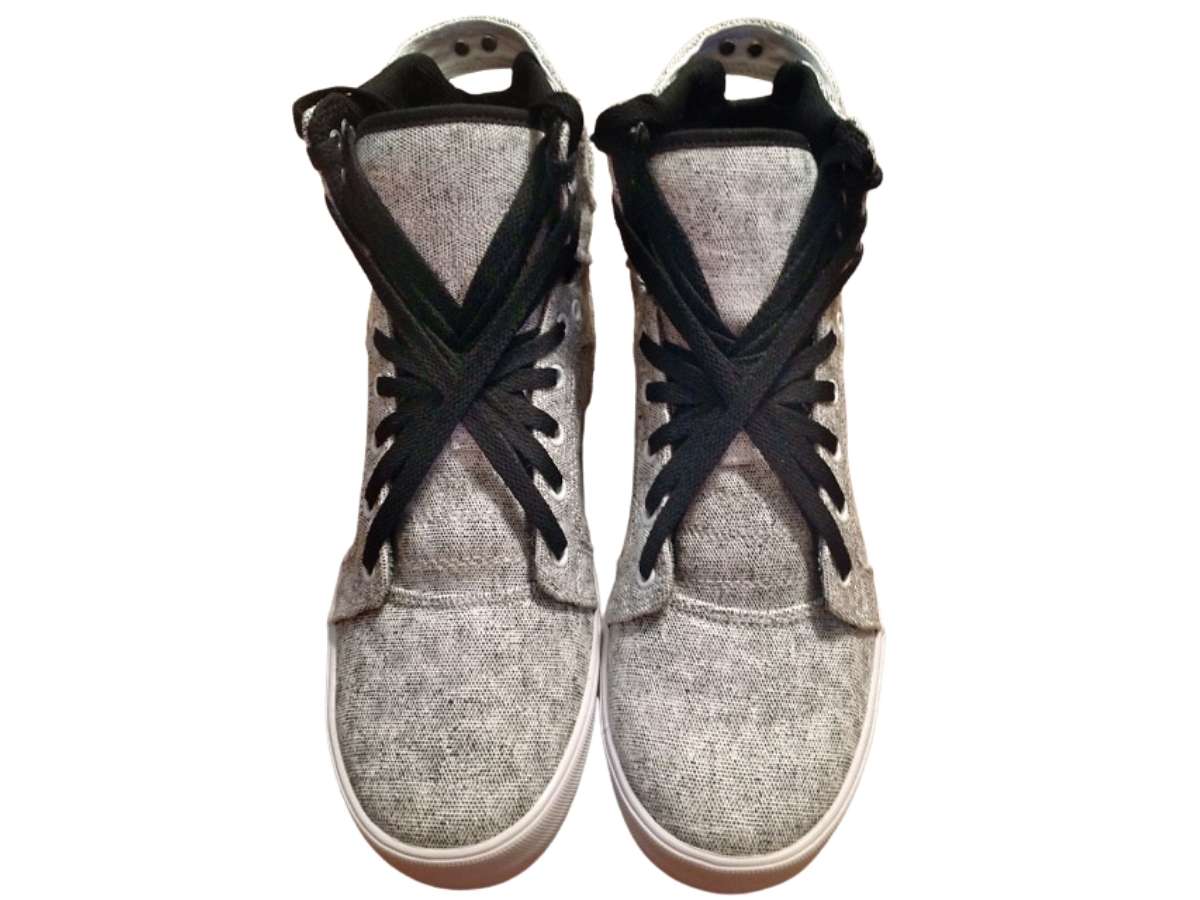
45. Zig-Zag Lacing
Zig-Zag Lacing moves like a winding road, twisting and turning across the shoe. The laces form two parallel rails, alternating between vertical runs on the inside and wraparounds on the outside, creating a pattern full of movement.
This lacing style isn’t just about looks—it also provides a flexible yet secure fit, making it great for casual sneakers and lifestyle footwear. The smooth, flowing design gives shoes a dynamic, playful feel, perfect for those who love a lacing style with motion and personality.

46. Progressive Lacing
Progressive Lacing creates a gradual, tightening effect as it moves up the shoe. The crossovers start wide near the toes and angle steeper toward the ankle, allowing for a secure fit that progressively tightens where support is needed most.
This method doesn’t just improve function—it also adds a sleek, decorative look. The shifting angles create a bold, structured design, making it a great choice for dress shoes, boots, or high-performance footwear.
For those looking for both style and a natural, adaptive fit, Progressive Lacing offers comfort, control, and a visually striking finish.
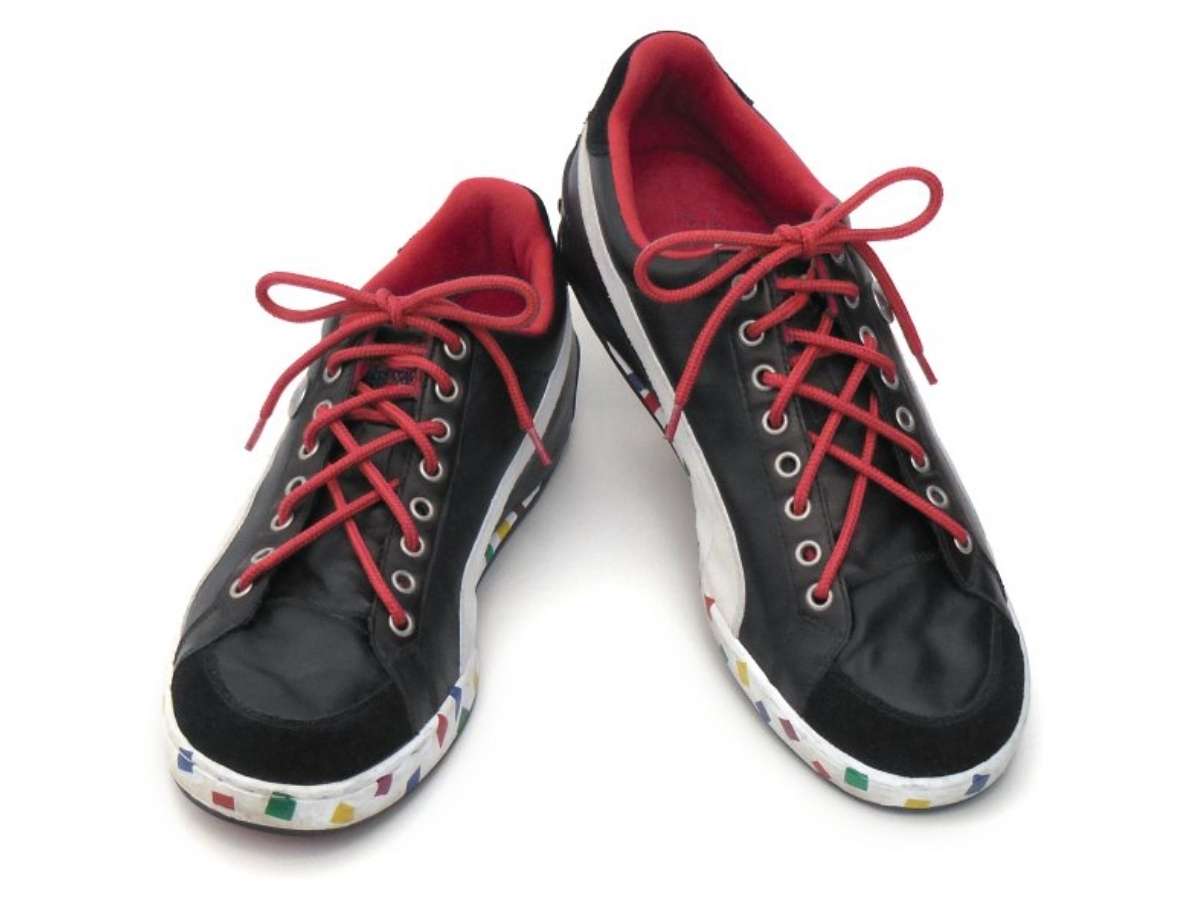
47. Perspective Lacing
Perspective Lacing creates a striking, three-dimensional effect, with overlapping segments that run at varying slopes, forming a sideways grid-like pattern. Similar to Progressive Lacing, this method gives the illusion of depth and movement, making it a visually unique choice.
More than just decoration, the sloped laces also help distribute tension evenly, offering a secure yet flexible fit. This makes it a great option for lifestyle sneakers or statement footwear, where both style and comfort matter.
For those wanting a lacing style that draws attention and adds dimension, Perspective Lacing transforms shoes into a bold design statement.
48. Escher Lacing
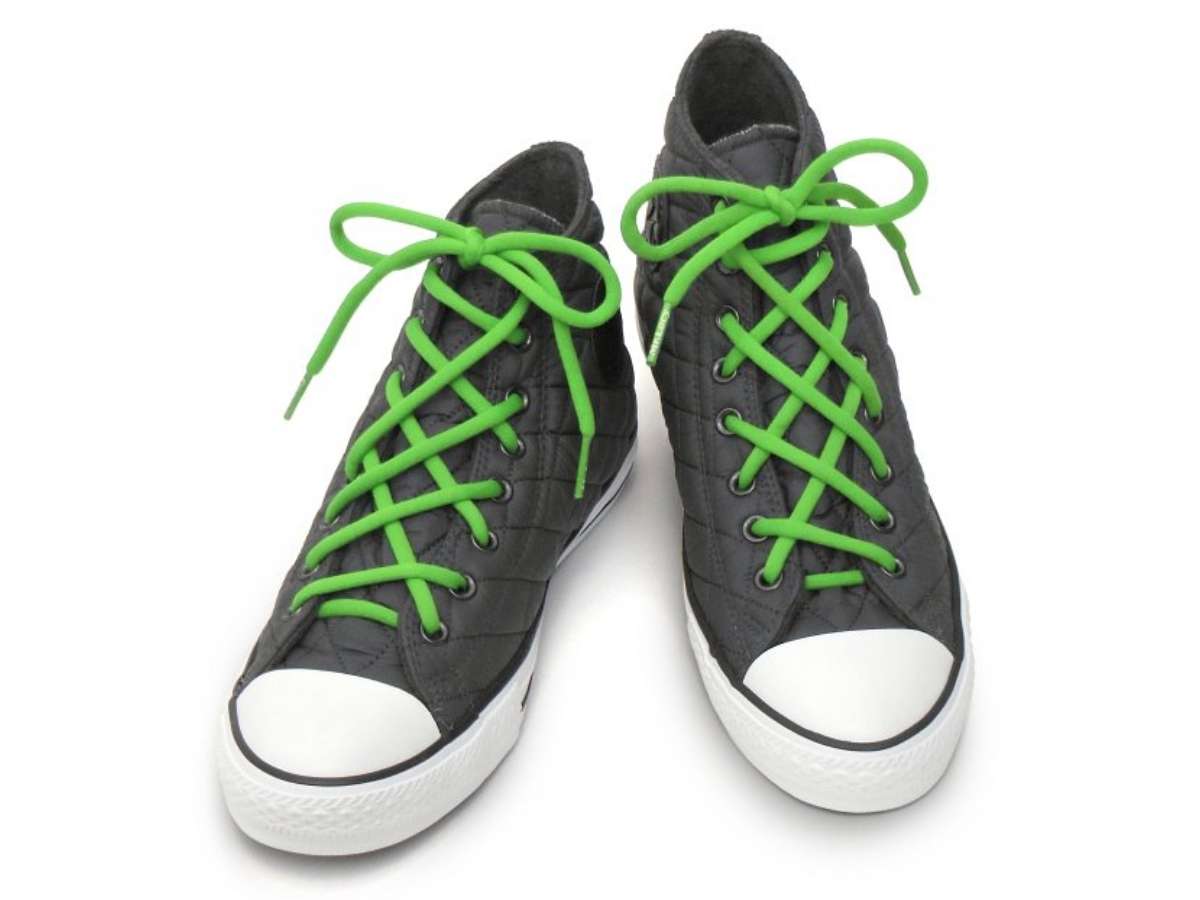
At first glance, Escher Lacing looks like an optical illusion. The overlapping laces form a pattern that resembles fish swimming in alternating directions, much like the tessellated artwork of M.C. Escher.
I remember the first time I tried this method, staring at my shoes, thinking, Is this even possible? The pattern felt like a puzzle, but once finished, the effect was mesmerizing—a seamless, flowing design that made my shoes stand out.
This lacing style is purely decorative, adding a dynamic, shifting appearance that makes footwear feel like a work of art. If you’re looking for a way to turn your laces into a conversation piece, Escher Lacing is a perfect blend of creativity and precision.
49. Woven Lacing
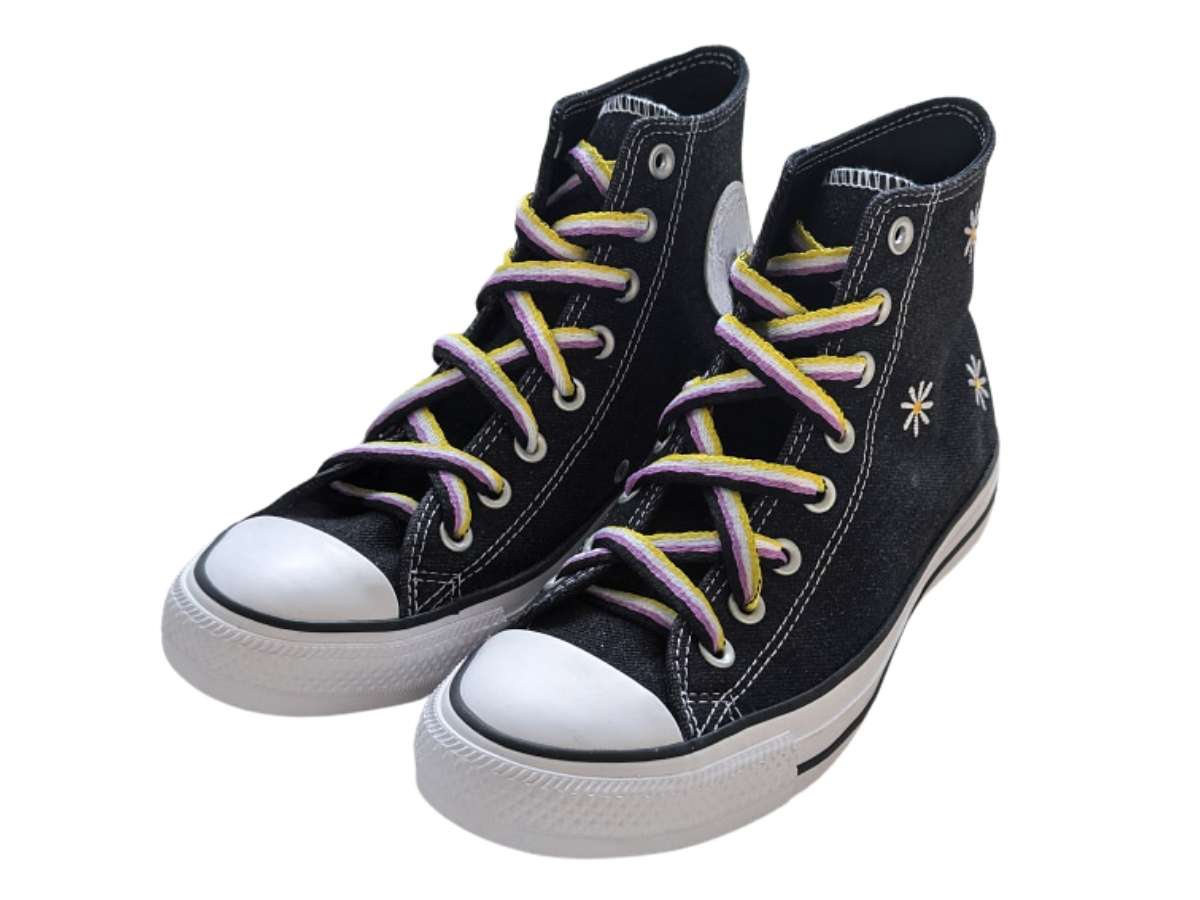
Woven Lacing is for those who want a bold, intricate design that few would attempt. Unlike standard lacing, the shoelace is woven up and down between adjacent rows, creating a detailed, mesh-like pattern that looks more like fabric than laces.
This method is purely decorative and works best on shoes with plenty of eyelets, allowing for a tight, interlaced structure. While it takes patience to lace, the end result is a standout design that turns footwear into a statement piece.
For anyone looking to transform their laces into a work of art, Woven Lacing offers an unmatched level of detail and craftsmanship.
50. Footbag Lacing
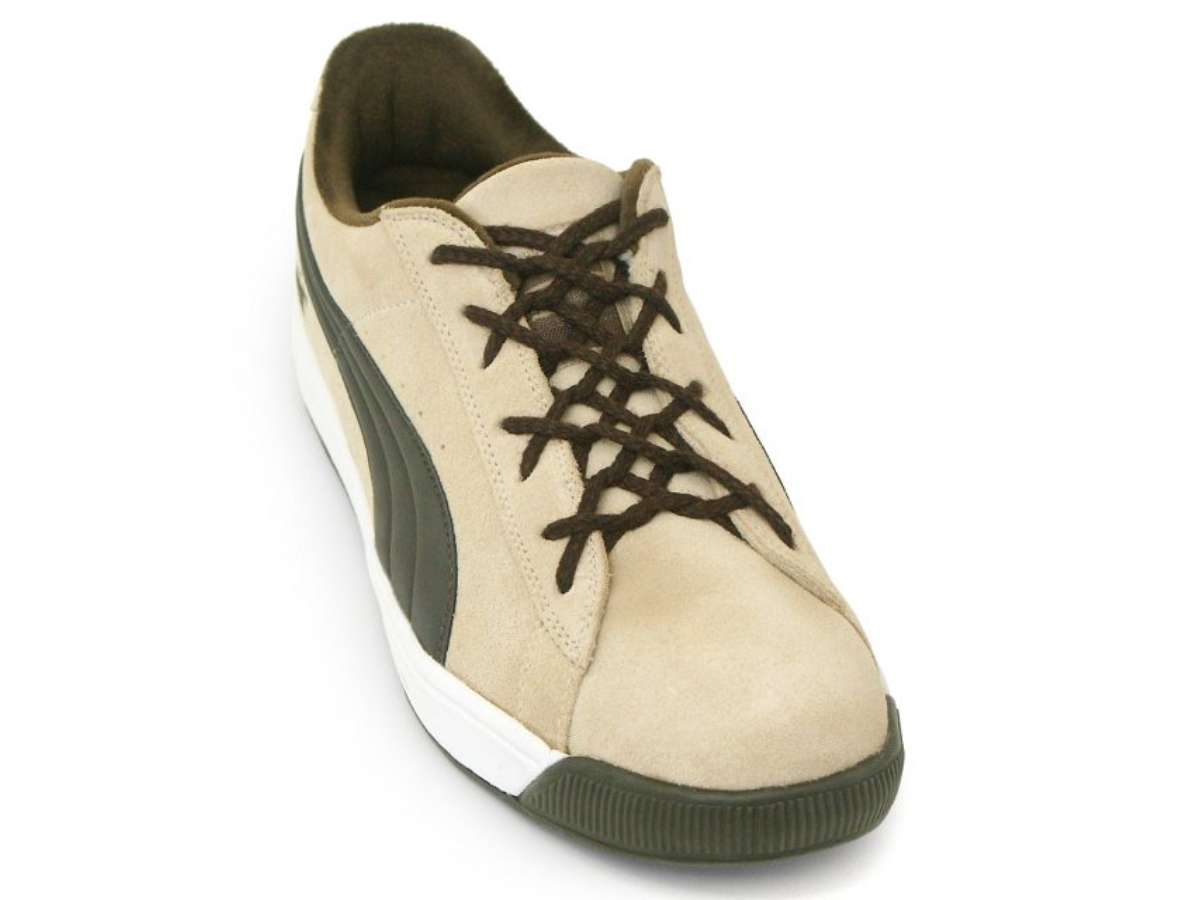
If you play footbag—also known as Hacky Sack—Footbag Lacing can give you better control. This method opens up the front of the shoe, creating a wider, flatter surface to help catch, stall, and kick the footbag more easily.
By adjusting the laces to reduce tight spots near the toes, this lacing style improves flexibility while keeping the shoe secure. It’s popular among footbag players who need quick movements and precise footwork.
If you’re looking to enhance footbag performance or simply want a looser, more open fit, Footbag Lacing helps you move with ease while keeping your shoes comfortable and functional.
51. Lock Lacing
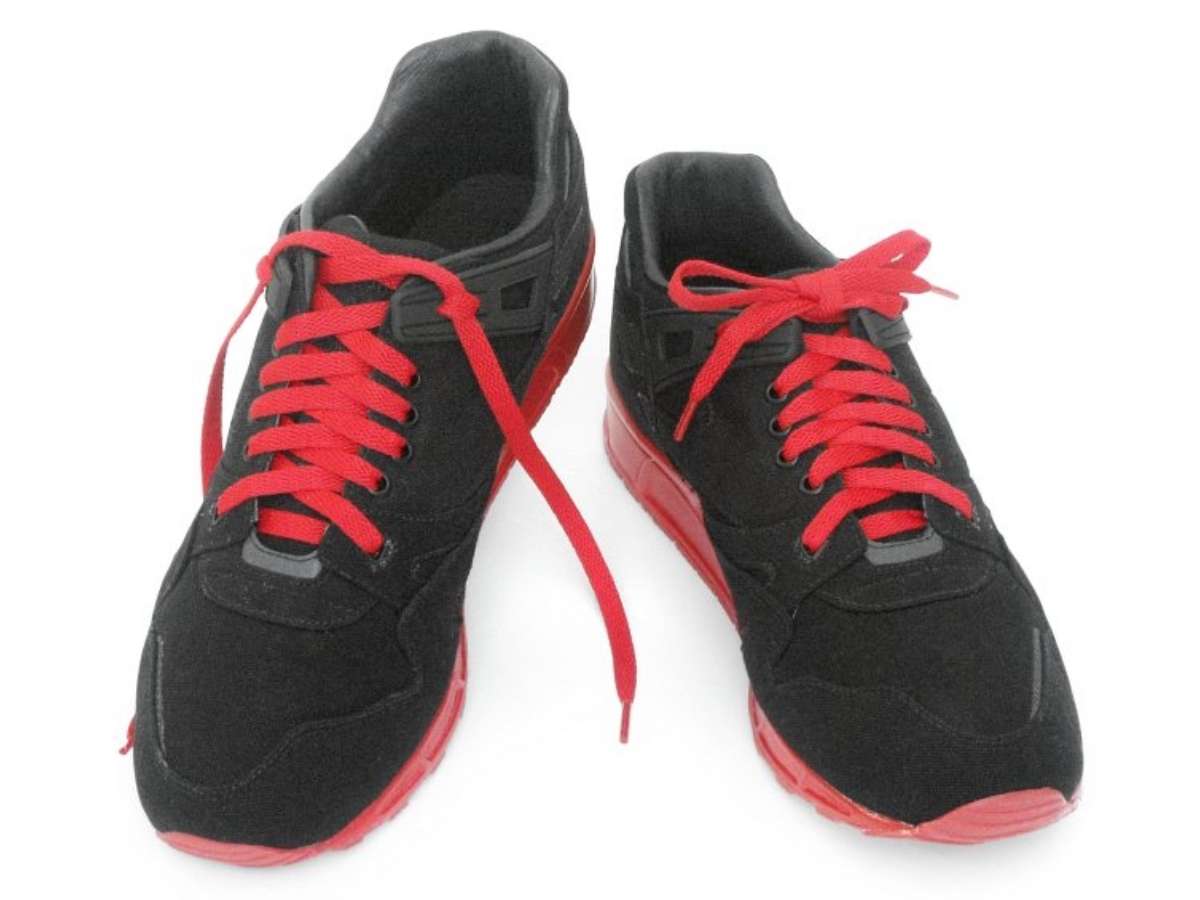
If your heel slips while running or climbing, Lock Lacing can help. Also known as Lace Lock, Loop Lacing Lock, Heel Lock, or Runner’s Tie, this technique creates a super-tight, secure finish that holds the foot firmly in place.
Instead of a regular knot, the laces form small loops near the top eyelets, allowing you to pull them tight and lock them in the fit. This method is popular among runners, hikers, and climbers who need extra stability and reduced movement inside the shoe.
If you’re dealing with heel slippage or loose fits, Lock Lacing gives you a tighter hold without overtightening the rest of the shoe, keeping your steps secure and comfortable.
Conclusion
I used to think laces were just laces—until I realized how much they change a shoe’s look and feel. Now, after testing and exploring 51 creative lacing methods, it’s clear: lacing matters.
From functional techniques for better support to eye-catching designs for style, there’s a method for everyone. Whether you want a better fit, a new look, or a way to showcase your brand, lacing can make a difference.
Which method are you excited to try?
Need help with lacing techniques for your brand’s footwear? Contact us today!

Where Does Allbirds Manufacture Their Shoes?

Top 7 Sole Factories

Top 7 Shoe Manufacturers in China